
The Powder Metallurgy Laboratory focuses on the production and characterization of materials using powder-based processing techniques. The facility supports both research and practical applications involving powder preparation, mixing, compaction, and sintering processes. These methods are used to develop advanced materials with tailored microstructure and enhanced mechanical, thermal, and tribological properties.
Facility Leadership

Coordinator
Oversees laboratory operations, coordinates powder metallurgy activities, and ensures safe and efficient use of equipment.
Laboratory Lead
Research Assistant
Laboratory Areas
Equipment and Instrumentation
Metallography Laboratory
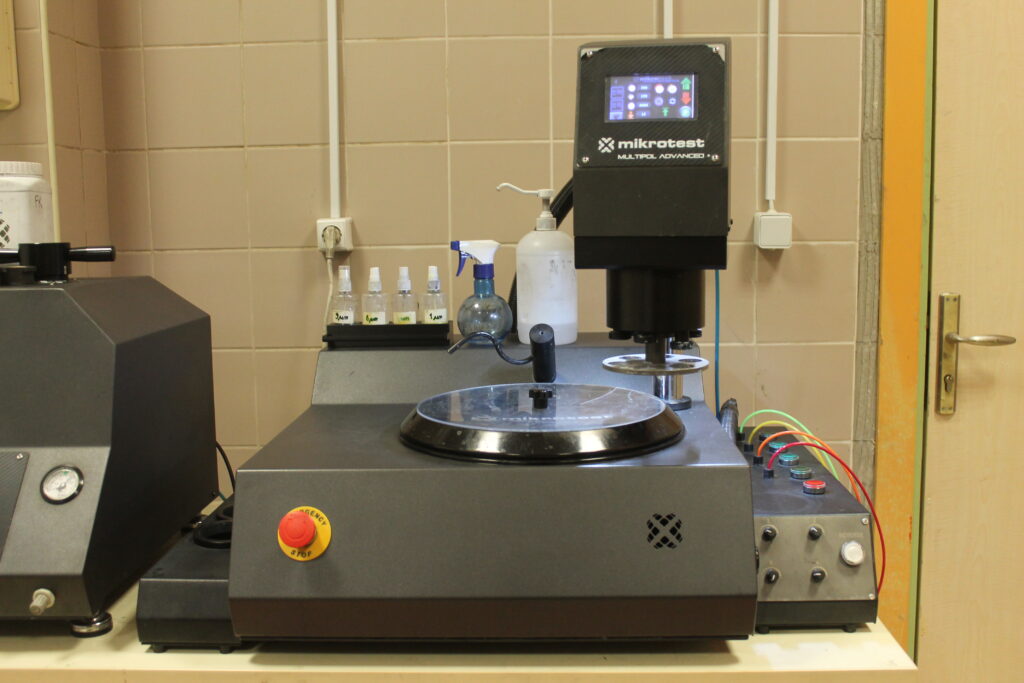
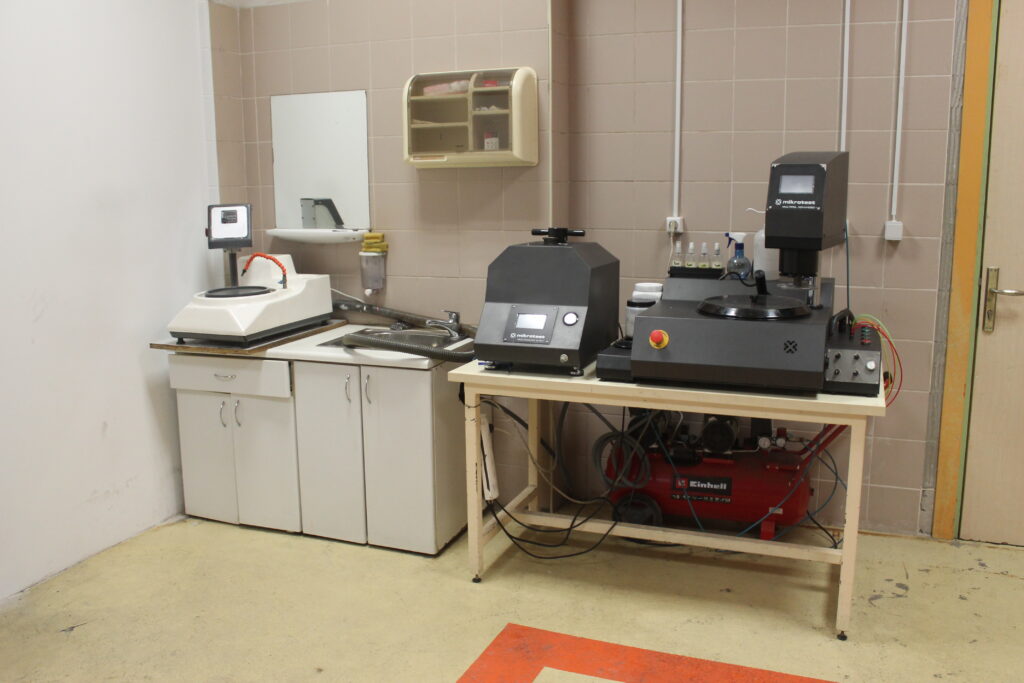
Automatic Grinding and Polishing Machine
Brand / Model: Mikrotest / Multiplol Advanced
The automatic grinding and polishing machine is used for preparing metallographic samples for microstructural analysis. The system performs controlled grinding and polishing operations using abrasive discs and polishing suspensions with different particle sizes. This step is essential to obtain a smooth, scratch-free surface that accurately reveals the material’s microstructure under microscopic examination. The automated control ensures consistent sample quality and repeatability in preparation processes.
Applications / Notes
Preparation of metallographic samples for microstructural analysis
Sequential grinding and polishing using different abrasive sizes
Removal of surface damage and deformation from cutting processes
Ensuring high-quality surfaces for optical and electron microscopy
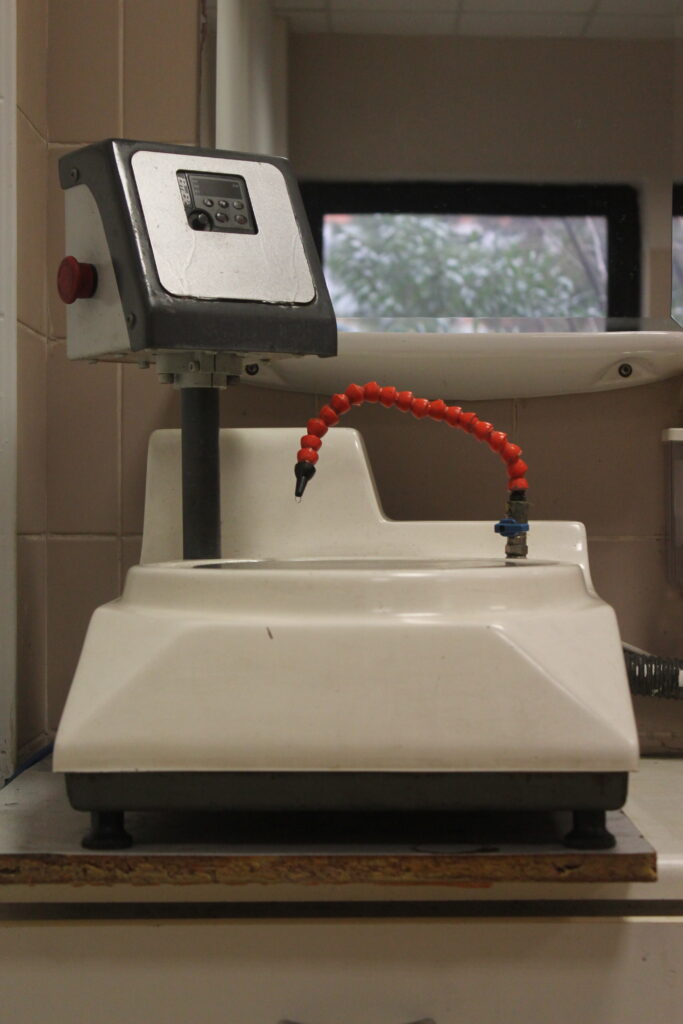
Manual Grinding and Polishing Machine
The manual grinding and polishing machine is used for the preparation of metallographic samples prior to microstructural analysis. The system allows the operator to manually control the grinding and polishing process using rotating abrasive discs and coolant supply. This manual approach provides greater flexibility and control over sample preparation, making it suitable for delicate materials and customized preparation procedures. It is an essential step to achieve a flat, smooth, and defect-free surface for accurate microscopic examination.
Applications / Notes
Manual preparation of metallographic samples
Grinding and polishing with operator-controlled pressure and motion
Suitable for sensitive or non-standard sample preparation
Used prior to etching and microscopic analysis
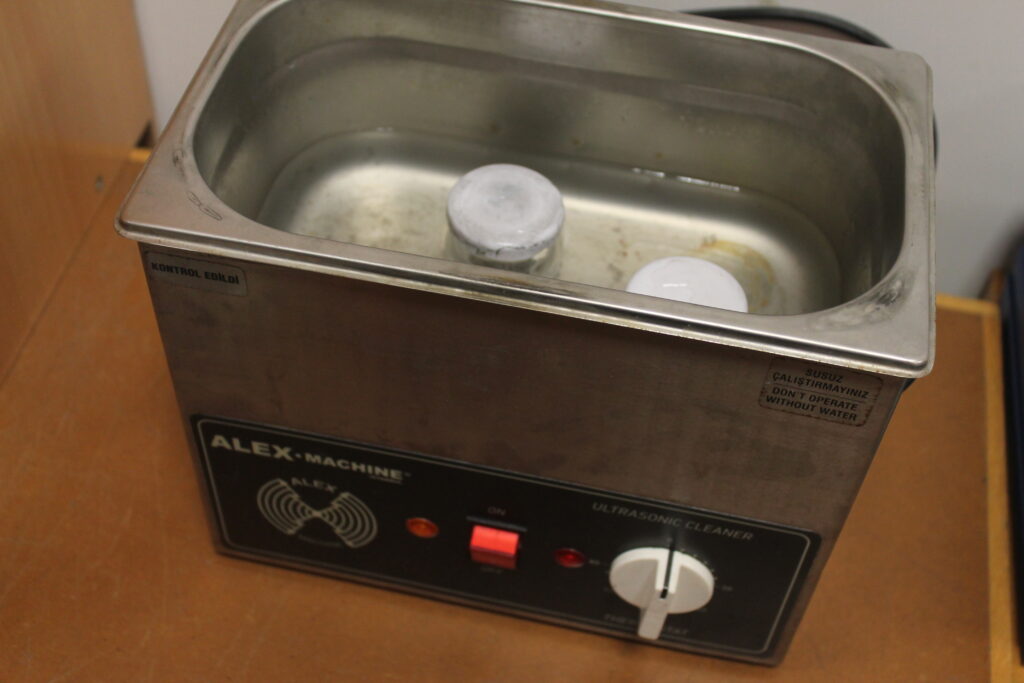
Ultrasonic Cleaner
Brand: Alex Machine
The ultrasonic cleaning unit is used for the removal of contaminants such as debris, oils, and polishing residues from metallographic samples. The system operates by generating high-frequency ultrasonic waves in a liquid medium, creating microscopic cavitation bubbles that effectively clean the sample surface without causing damage. This process is essential for ensuring clean and contamination-free surfaces prior to further preparation steps or microscopic analysis.
Applications / Notes
Cleaning of metallographic samples after grinding and polishing
Removal of fine particles, oils, and surface contaminants
Preparation of samples for etching and microscopic examination
Non-destructive cleaning using ultrasonic cavitation
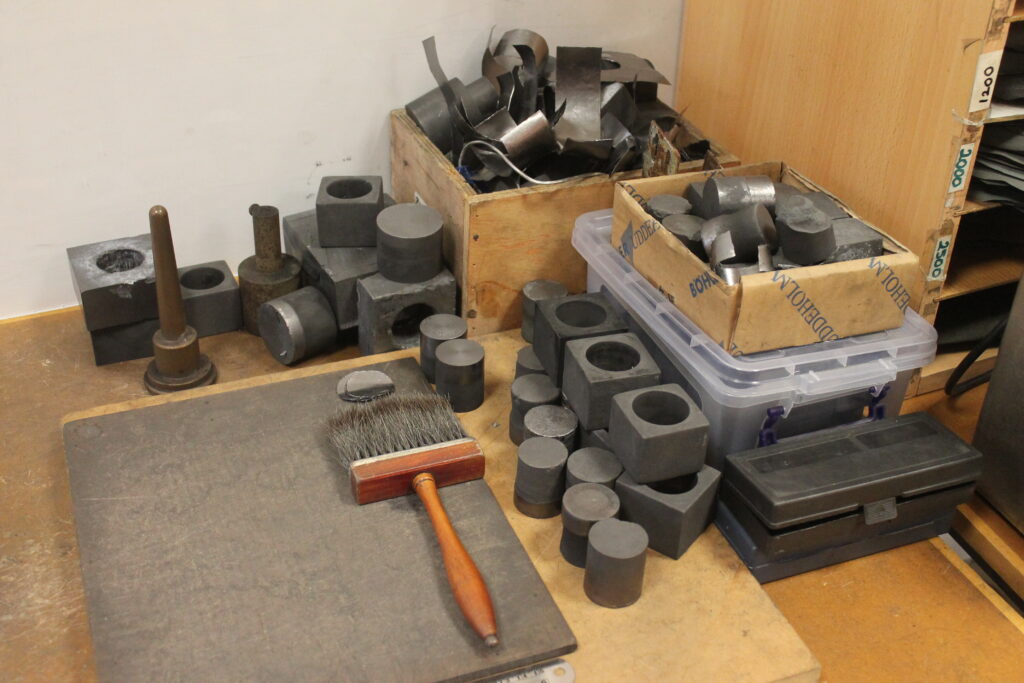
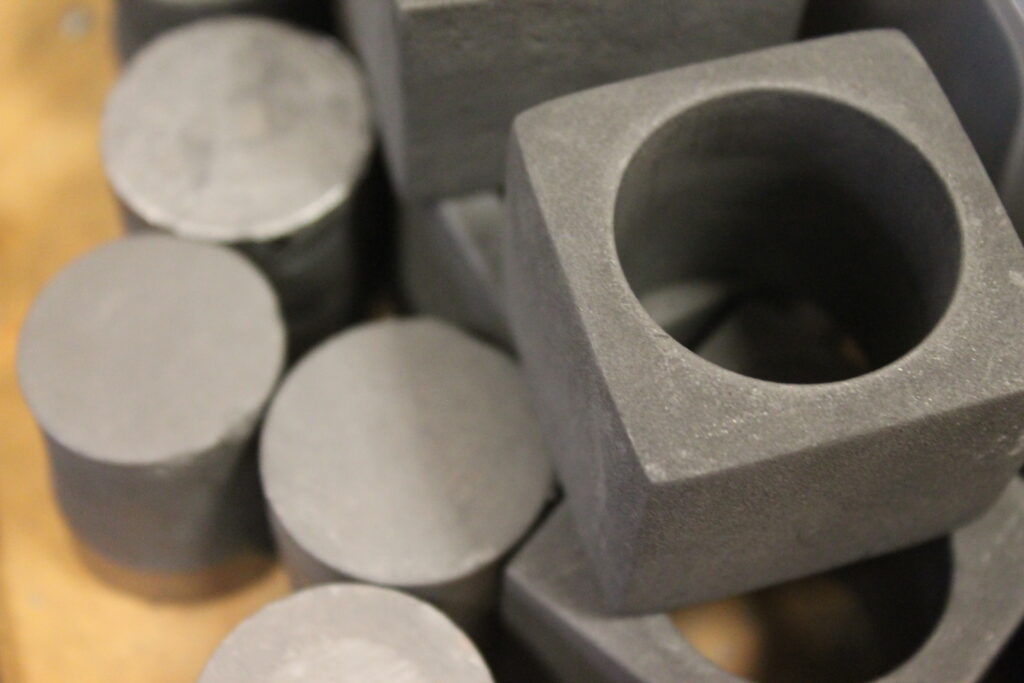
Die Preparation Area for Hot Pressing
The Die Preparation Area is dedicated to the preparation and organization of graphite dies and related materials used in hot pressing processes. This area includes graphite molds, punches, spacers, and graphite foils that are essential for shaping and protecting samples during high-temperature and high-pressure operations. Proper die preparation ensures uniform pressure distribution, prevents contamination, and enhances the quality and repeatability of sintered components.
Applications / Notes
Preparation of graphite dies and tooling for hot pressing processes
Use of graphite foils to prevent sticking and contamination
Organization and handling of mold components (dies, punches, spacers)
Ensuring process stability and repeatability in powder metallurgy applications
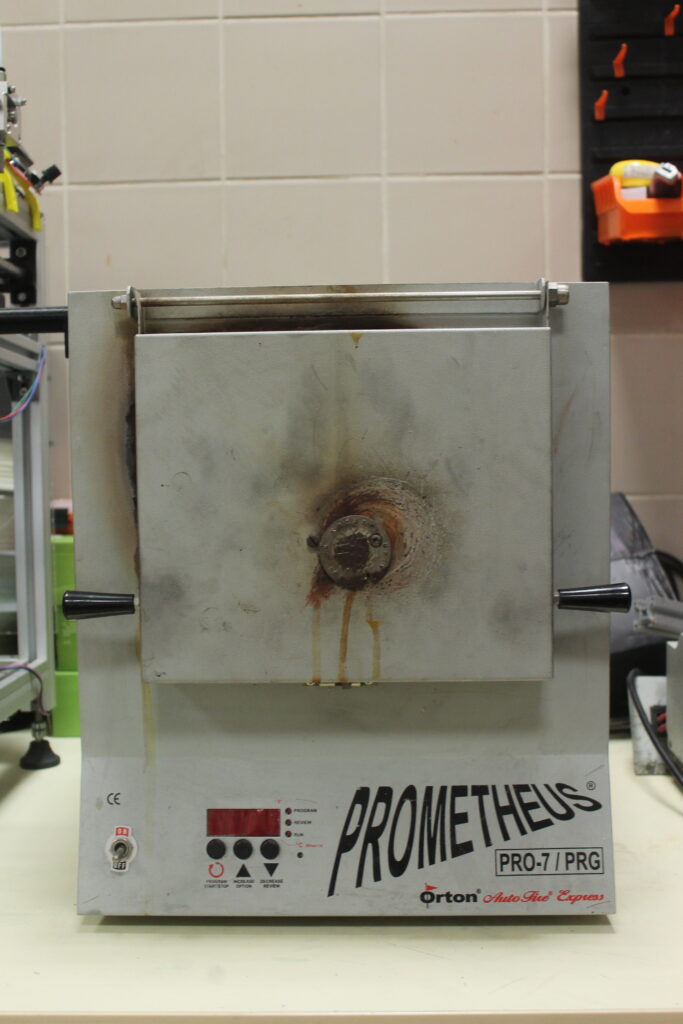
Laboratory Furnace
Brand / Model: Mikrotest / Prometheus PRO-7 / PRG
This laboratory furnace is used for low- to medium-temperature heat treatment processes and sample preparation in metallography studies. It enables controlled heating for applications such as drying, curing of mounted samples, and pre-treatment of materials prior to further analysis. The system provides stable temperature control suitable for laboratory-scale thermal processes rather than high-temperature sintering.
Applications / Notes
Drying of samples before metallographic analysis
Curing of mounting resins (hot mounting processes)
Low-temperature heat treatment and stress relief
Pre-treatment of materials prior to polishing or testing
Powder Processing & Sintering Area

Planetary Ball Mill
Brand / Model: Fritsch / Pulverisette 6
The planetary ball mill is used for the fine grinding, mixing, and homogenization of powder materials. It operates by high-energy impacts between grinding balls and powders, enabling efficient particle size reduction and uniform distribution of constituents. The system is particularly suitable for preparing powder blends used in powder metallurgy and advanced material development.
Applications / Notes
Fine grinding and particle size reduction
Homogeneous mixing of metal and ceramic powders
Mechanical alloying and high-energy milling
Preparation of composite and advanced material powders
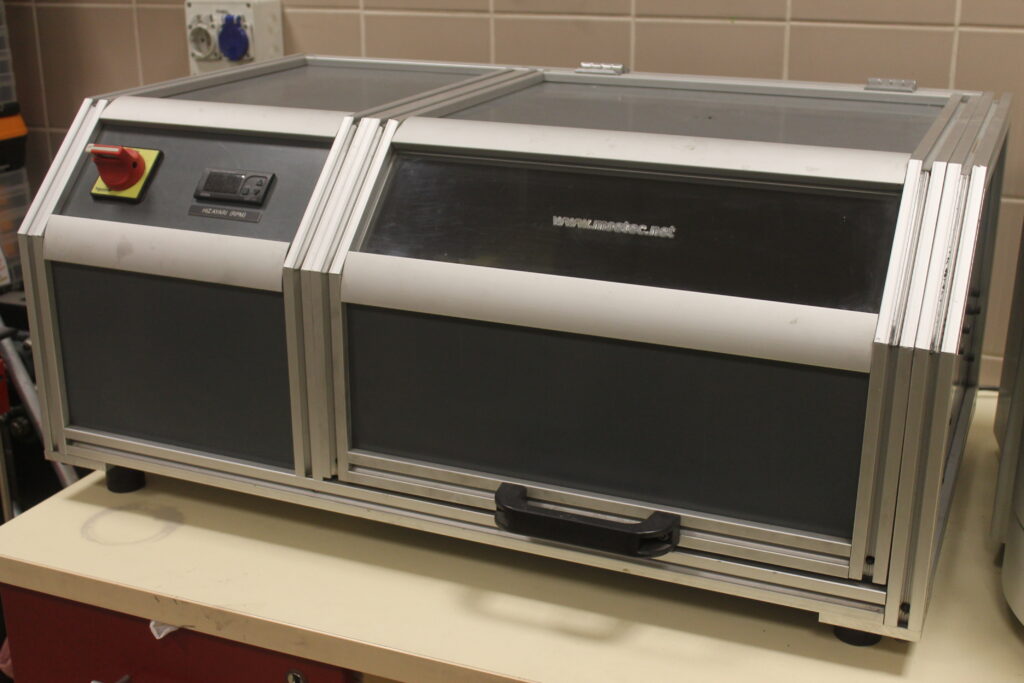
Roller Ball Mill
The roller ball mill is used for low-energy mixing and homogenization of powders in sealed jars. The system operates by rotating cylindrical rollers, allowing grinding media and powders inside the jars to tumble and mix efficiently. It is particularly suitable for gentle blending processes where uniform distribution is required without excessive particle size reduction.
Applications / Notes
Homogeneous mixing of powder systems
Processing of sensitive materials requiring controlled milling conditions
Low-energy milling and blending processes
Preparation of composite powders
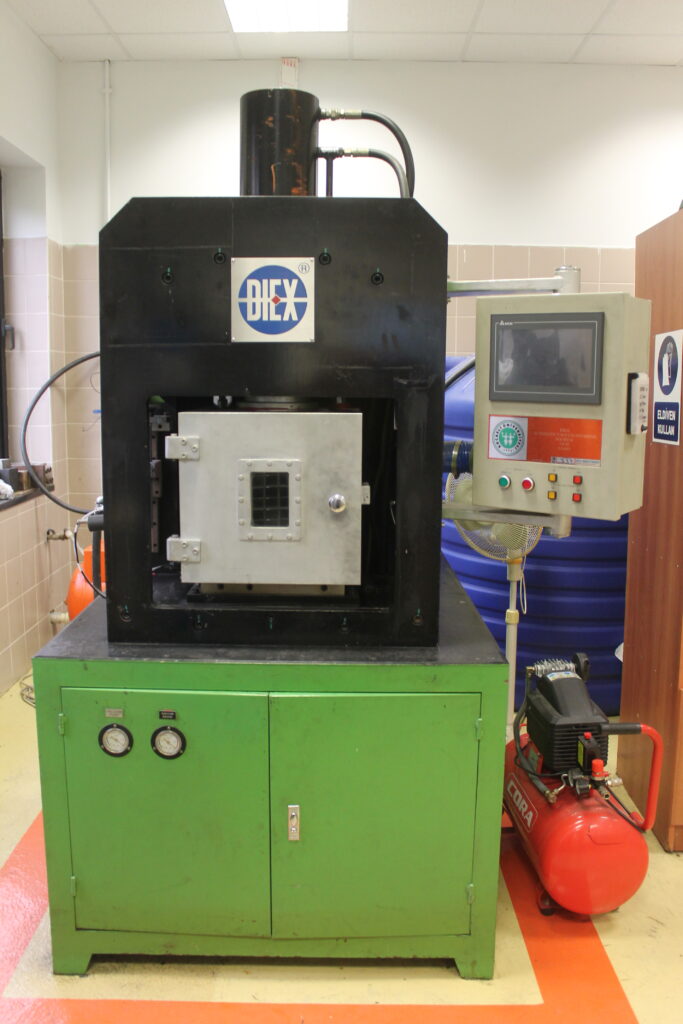
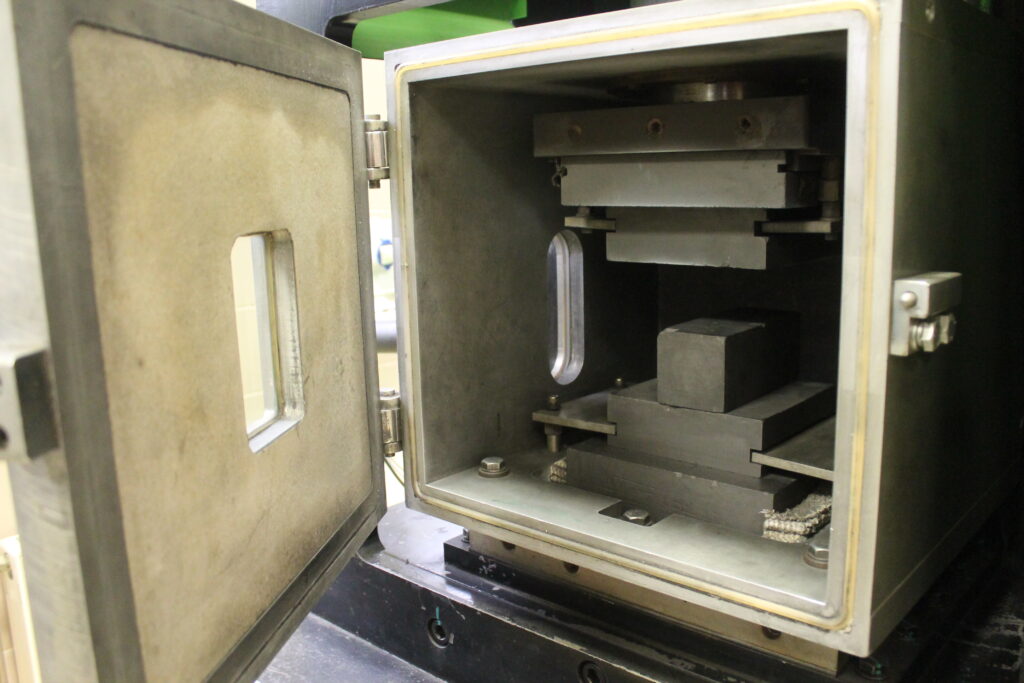
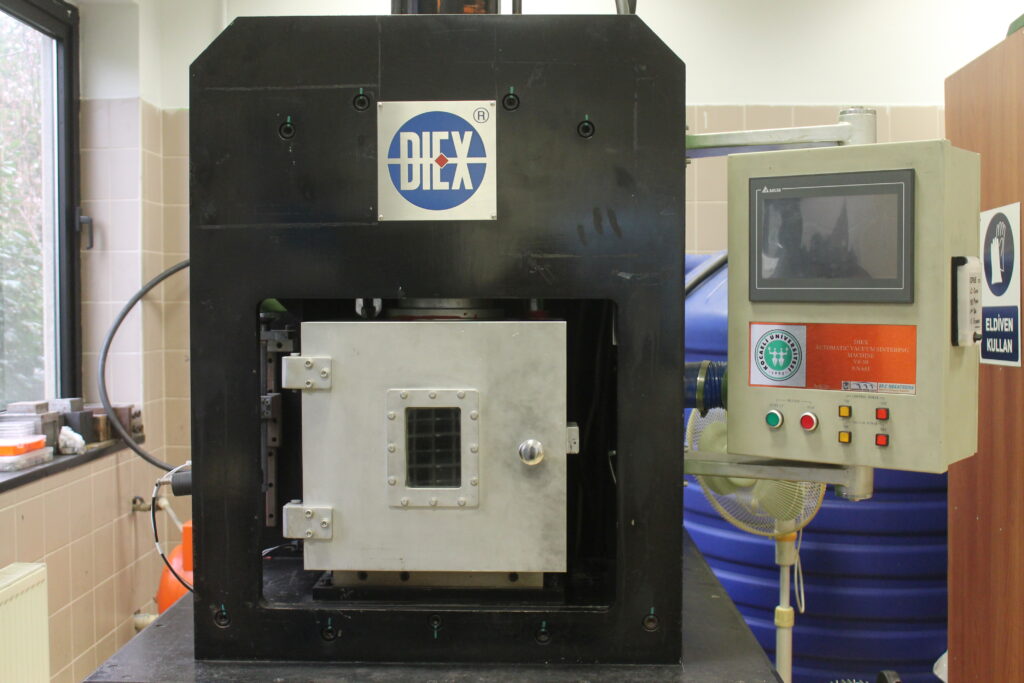
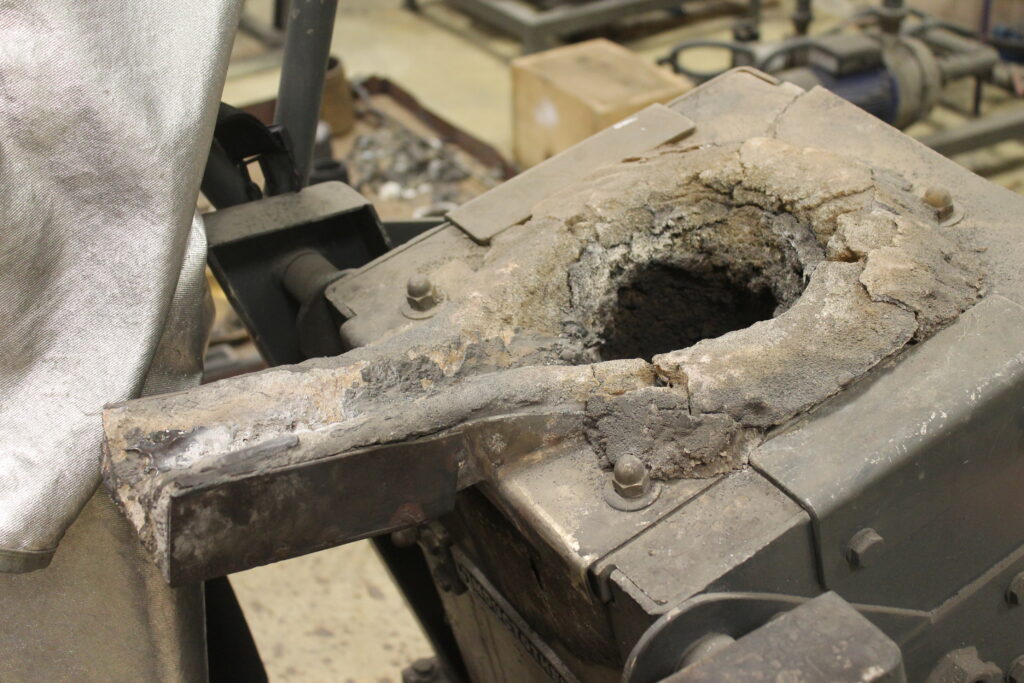
Vacuum Hot Press Sintering System
Brand: DIEX
The vacuum hot press system is used for the simultaneous application of high temperature and pressure under controlled atmospheric conditions. This system enables the densification of powder materials through hot pressing, resulting in improved mechanical properties and reduced porosity. The process is carried out under vacuum or controlled environments to minimize oxidation and contamination.
Applications / Notes
Hot pressing of powder metallurgy materials
Production of dense metallic and ceramic components
Fabrication of metal matrix composites (MMC)
Reduction of porosity and enhancement of mechanical properties
Controlled atmosphere processing (vacuum / inert conditions)
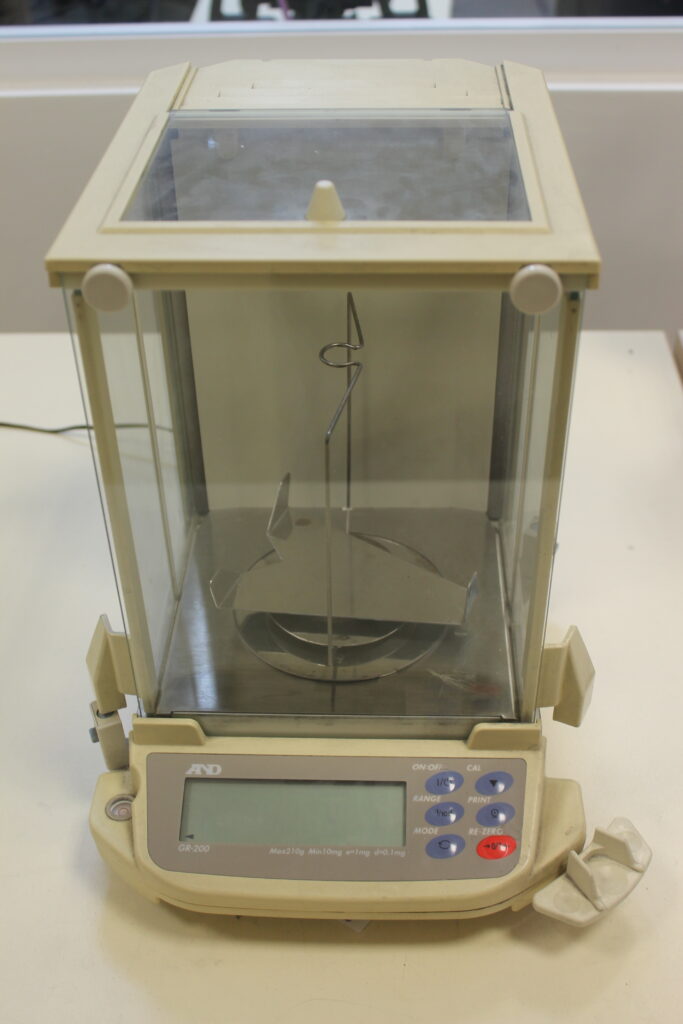
Analytical Balance
The analytical balance is used for high-precision measurement of powder materials prior to processing. It enables accurate weighing of components with fine resolution, ensuring correct composition and repeatability in powder metallurgy experiments. The enclosed design minimizes environmental effects such as air currents and vibrations, allowing reliable measurements.
Applications / Notes
Precise weighing of powder materials
Preparation of powder mixtures with controlled compositions
Measurement of small mass variations in experimental studies
Ensuring repeatability and accuracy in material processing
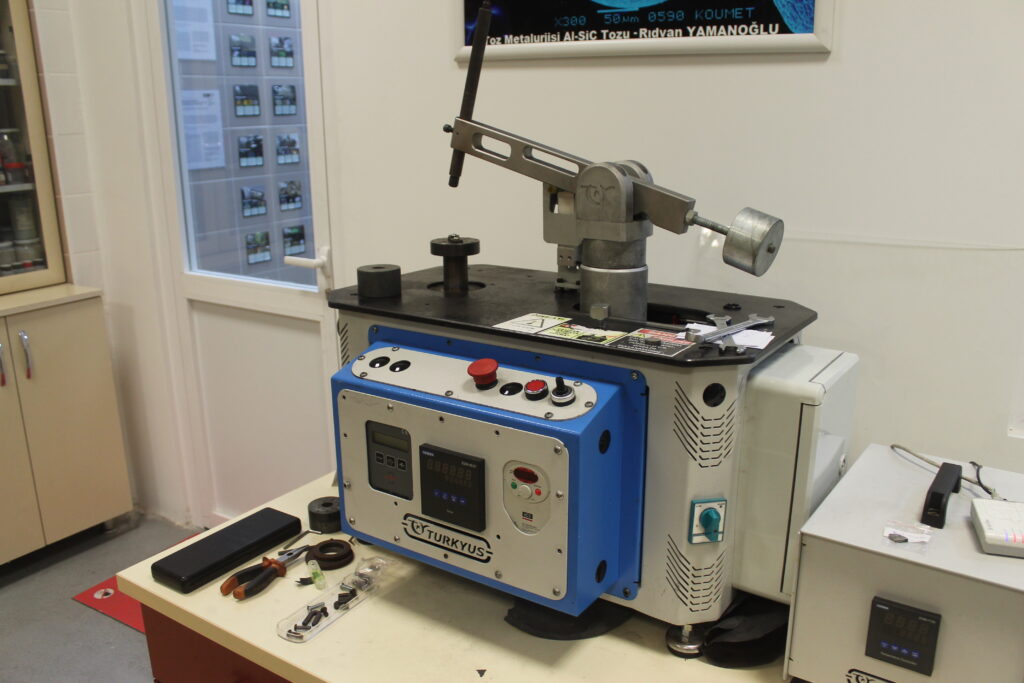
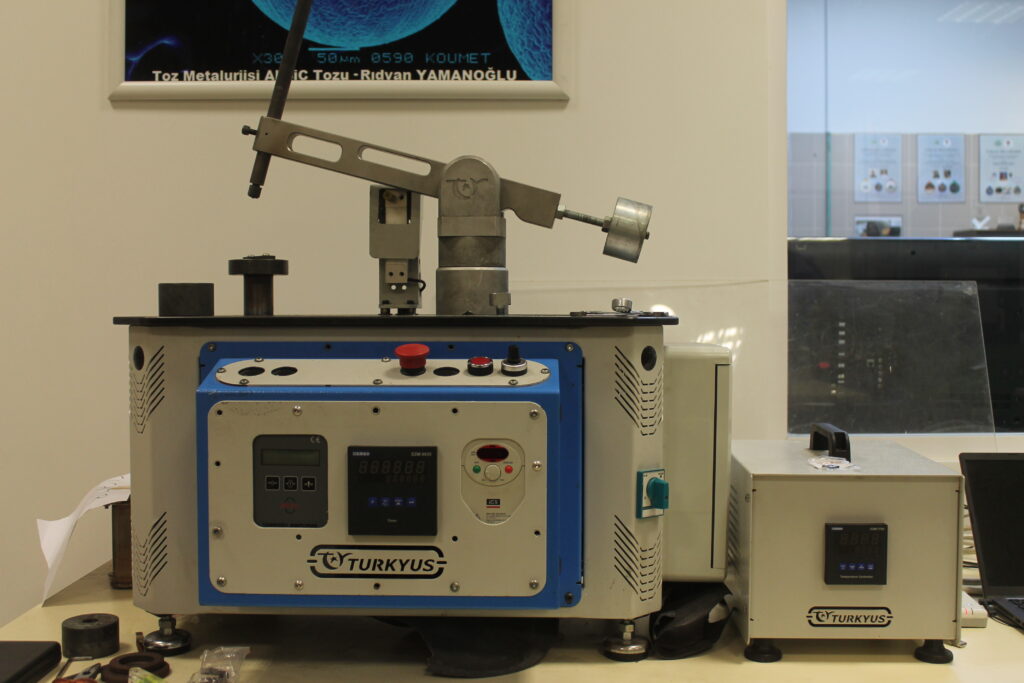
Advanced Wear Testing System
Brand: TURKYUS
The wear testing system is designed to evaluate the tribological behavior of materials under a wide range of operating conditions, including dry, lubricated, simulated body fluid (SBF), and elevated temperature environments. The system applies controlled loads and relative motion between contact surfaces, enabling detailed investigation of friction, wear mechanisms, and material degradation. Interchangeable fixtures and environmental adaptations allow realistic simulation of service conditions in engineering and biomedical applications.
Applications / Notes
Dry sliding wear tests
Lubricated (oil) wear tests
Wear testing in simulated body fluids (SBF) for biomedical applications
High-temperature wear testing
Determination of friction coefficient and wear rate
Investigation of wear mechanisms (adhesive, abrasive, oxidative, tribochemical)
Evaluation of material performance under realistic service conditions



Powder Storage Area
The powder storage area is designated for the safe and organized storage of metallic and ceramic powders used in powder metallurgy processes. The area is designed to protect materials from contamination, moisture, and environmental exposure, ensuring consistency and reliability in experimental and production workflows.
Applications / Notes
Storage of metal and alloy powders (e.g., Ti, Al, Fe-based powders)
Prevention of contamination and moisture absorption
Safe handling of reactive or fine powders
Material labeling, classification, and traceability
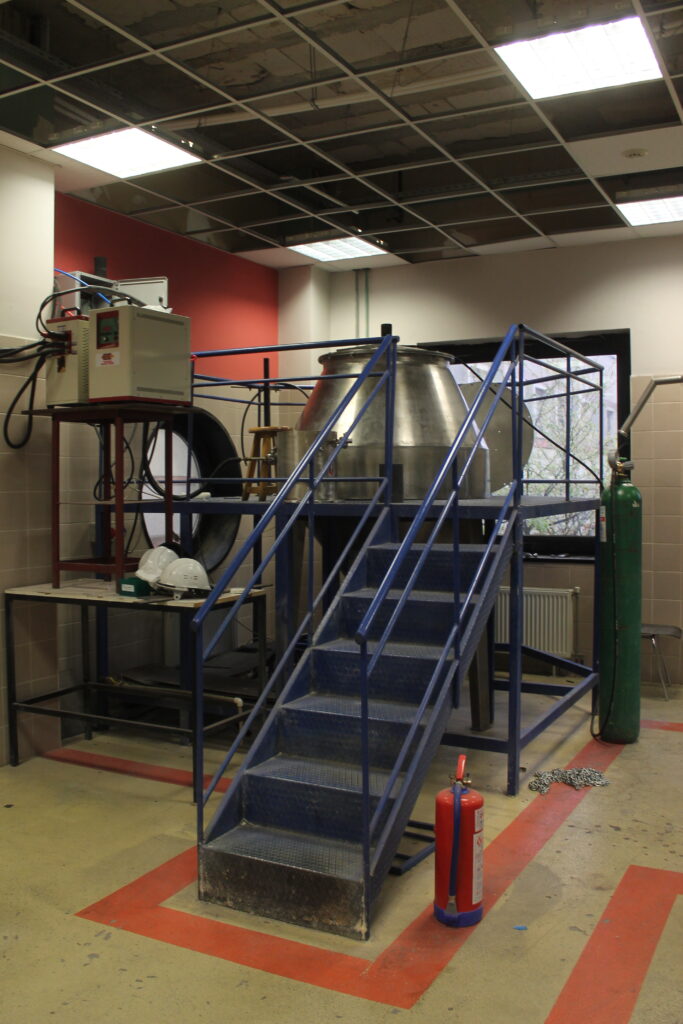
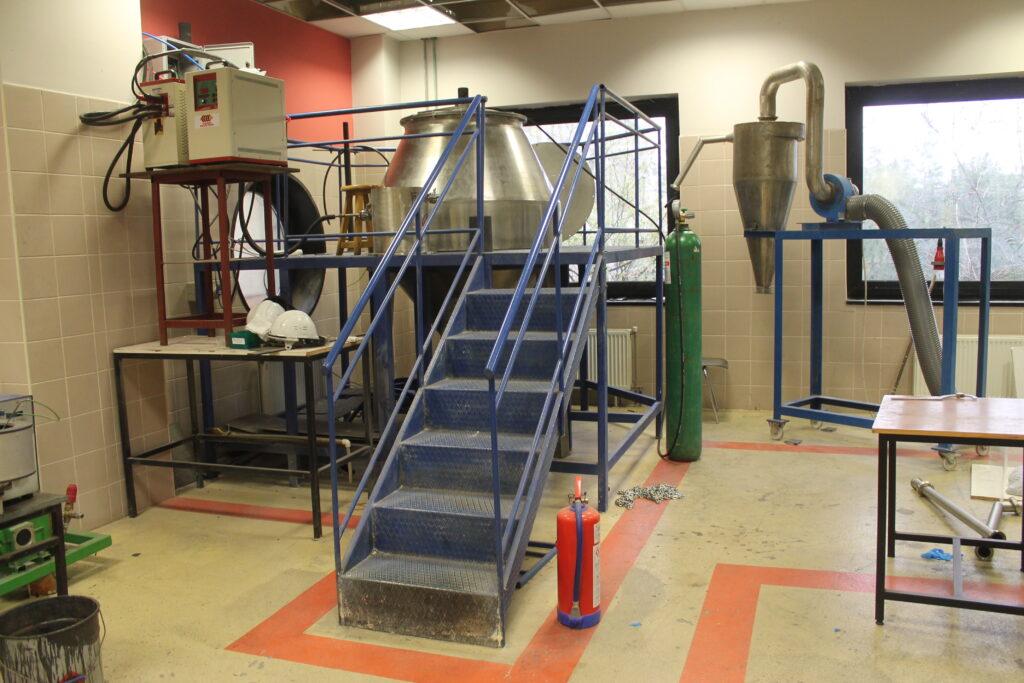
Laboratory-Scale Gas Atomization Unit
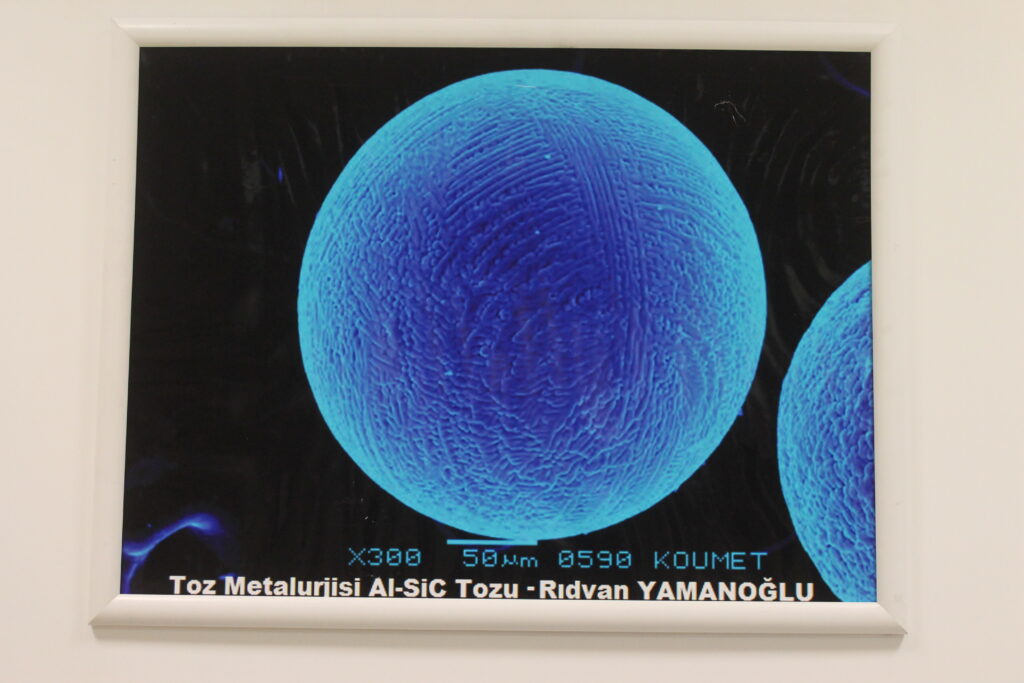
The gas atomization system is used for producing fine metallic powders by disintegrating a molten metal stream using high-pressure inert gas. During the process, molten material is atomized into droplets, which rapidly solidify into spherical powder particles. The system enables controlled production of powders with tailored particle size distribution and morphology, making it highly suitable for advanced powder metallurgy and additive manufacturing applications.
Applications / Notes
Production of spherical metal powders
Powder manufacturing for additive manufacturing (AM)
Development of alloy powders (e.g., Ti, Al, Fe-based alloys)
Control of particle size and morphology
High-purity powder production using inert gas (Ar, N₂)
Research and development in advanced materials processing
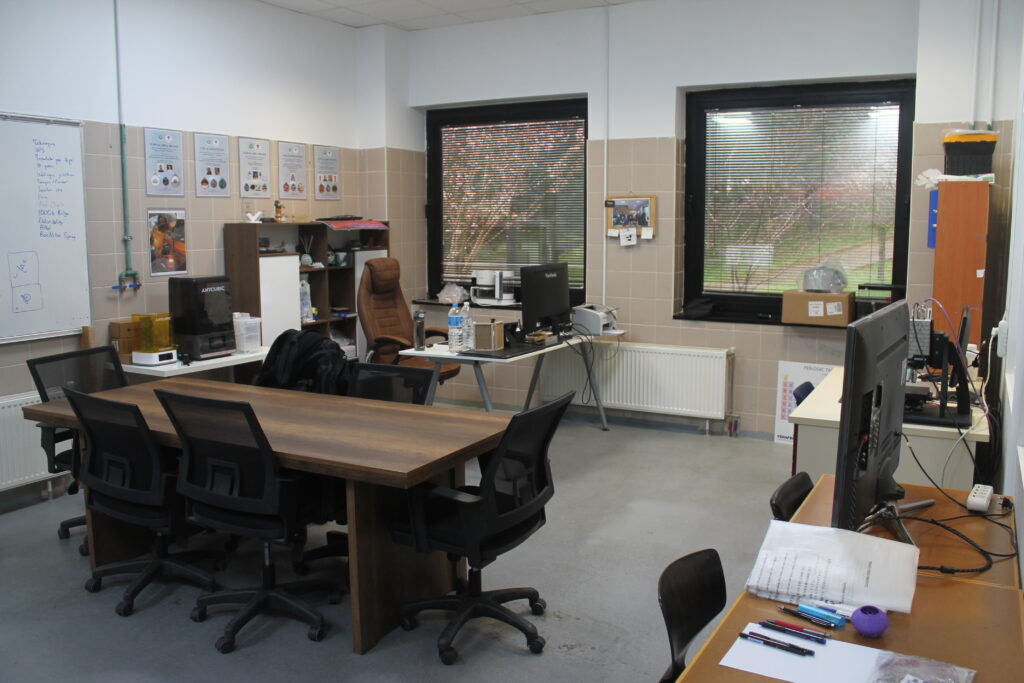
Powder Metallurgy Office
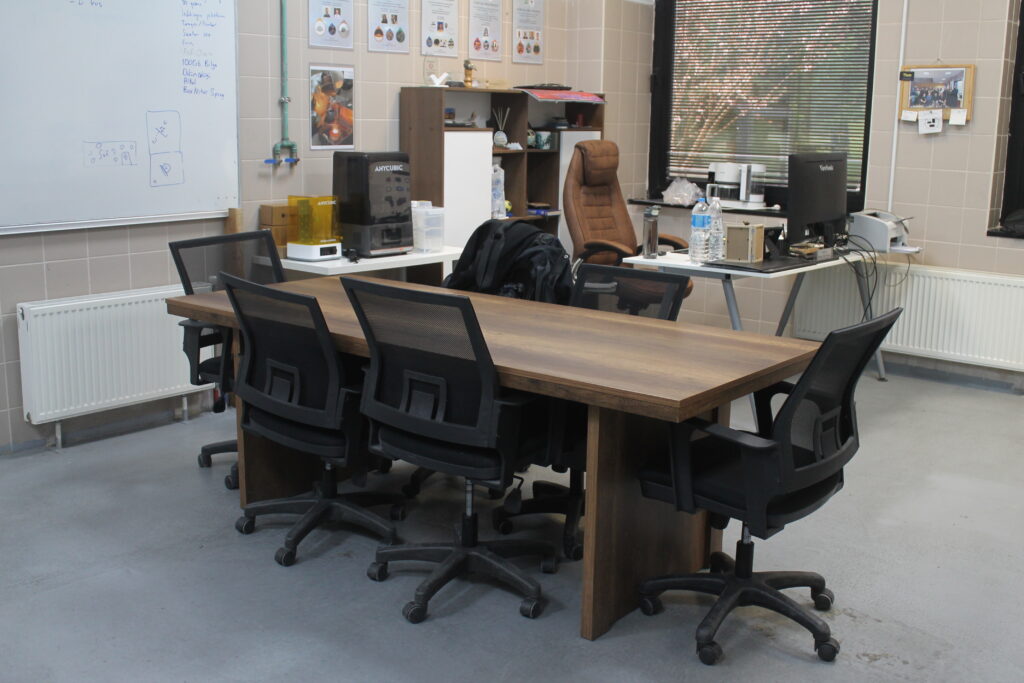
The Powder Metallurgy Office serves as a multifunctional workspace that supports both analytical and preparatory activities within the laboratory. In addition to office-based work, the area hosts several compact testing and characterization devices, enabling quick evaluation and sample preparation processes. Equipment such as indentation testing systems, resin-based 3D printers, and optical profilometers allow preliminary mechanical and surface analyses to be performed efficiently in a controlled environment.
Applications / Notes
Indentation-based mechanical characterization (e.g., hardness evaluation)
Surface topography and roughness analysis (optical profilometry)
Rapid prototyping and sample preparation using resin 3D printing
Preliminary testing before detailed laboratory analysis
Data evaluation and experimental planning

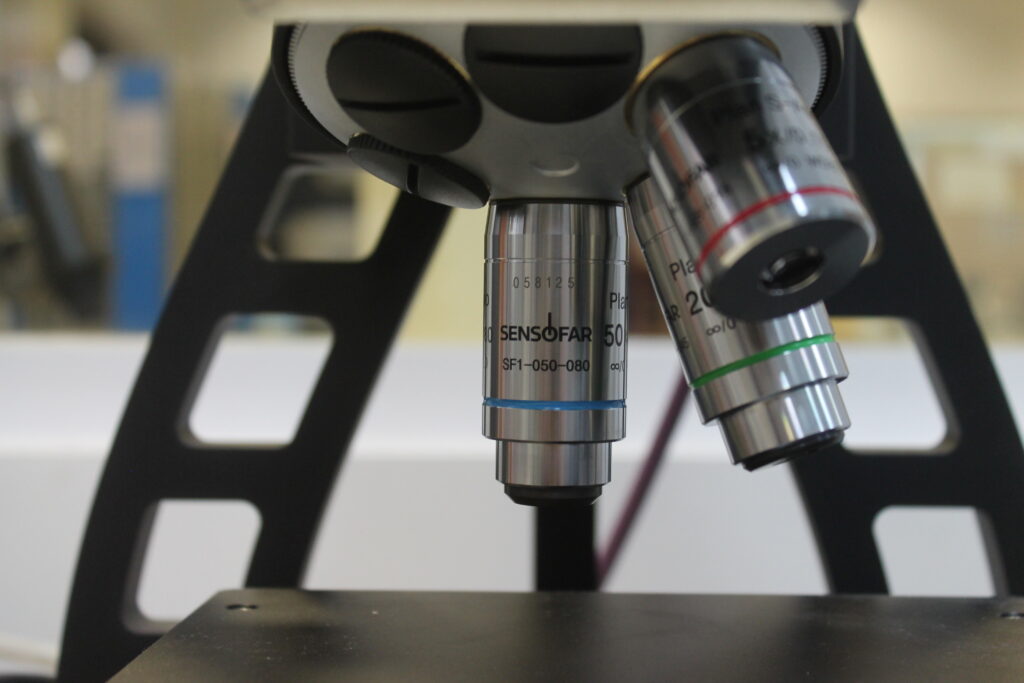
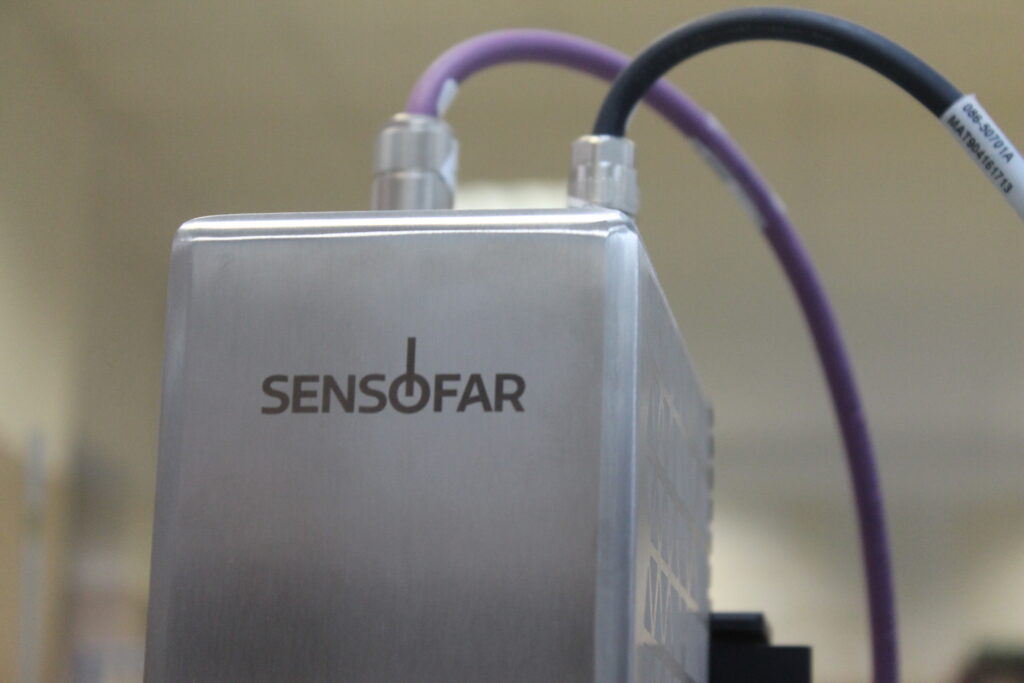
Optical Profilometer
Brand: Sensofar
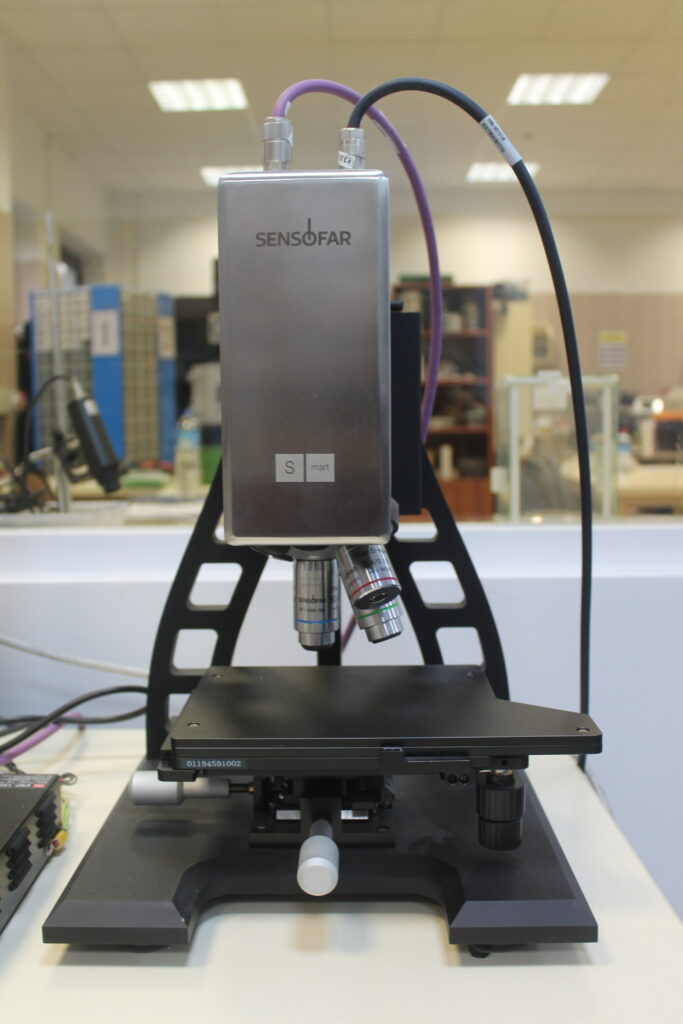
The optical profilometer is a non-contact surface characterization system used to analyze surface topography and roughness with high precision. Utilizing advanced optical techniques, the system generates 2D and 3D surface profiles, enabling detailed evaluation of micro- and nano-scale surface features without damaging the sample. It is particularly suitable for analyzing wear tracks, coatings, and surface modifications. The system enables high-resolution, non-destructive surface characterization for advanced materials research.
Applications / Notes
Measurement of surface roughness parameters (Ra, Rz, Sa, etc.)
2D and 3D surface topography analysis
Wear track and scar characterization
Evaluation of coatings and thin films
Surface morphology analysis at micro/nano scale
Non-contact and high-resolution measurements

Nanoindentation System
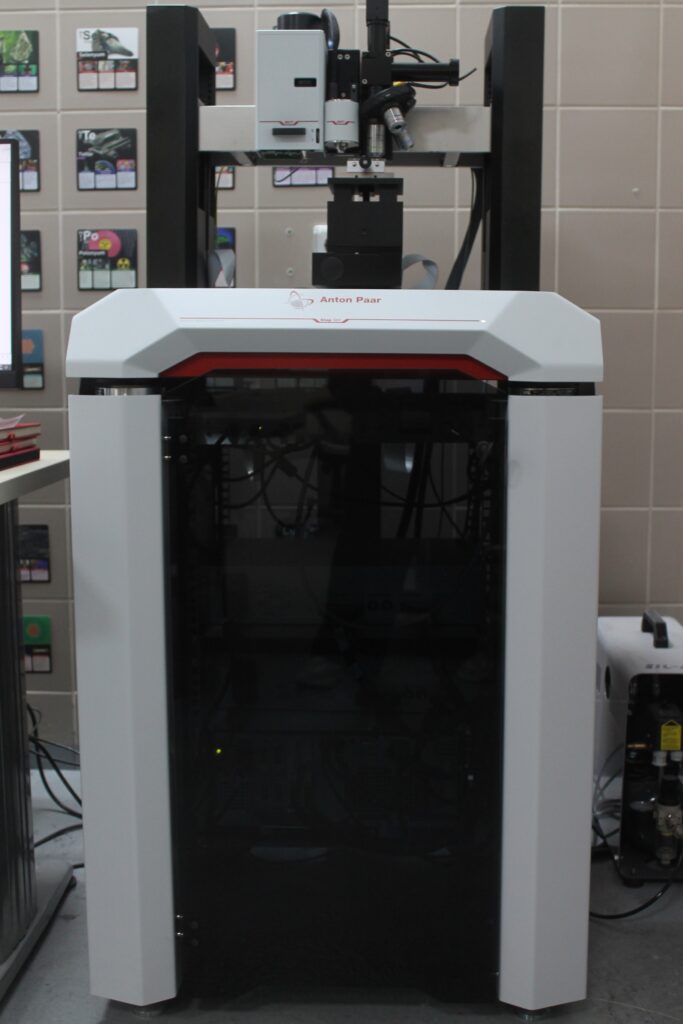
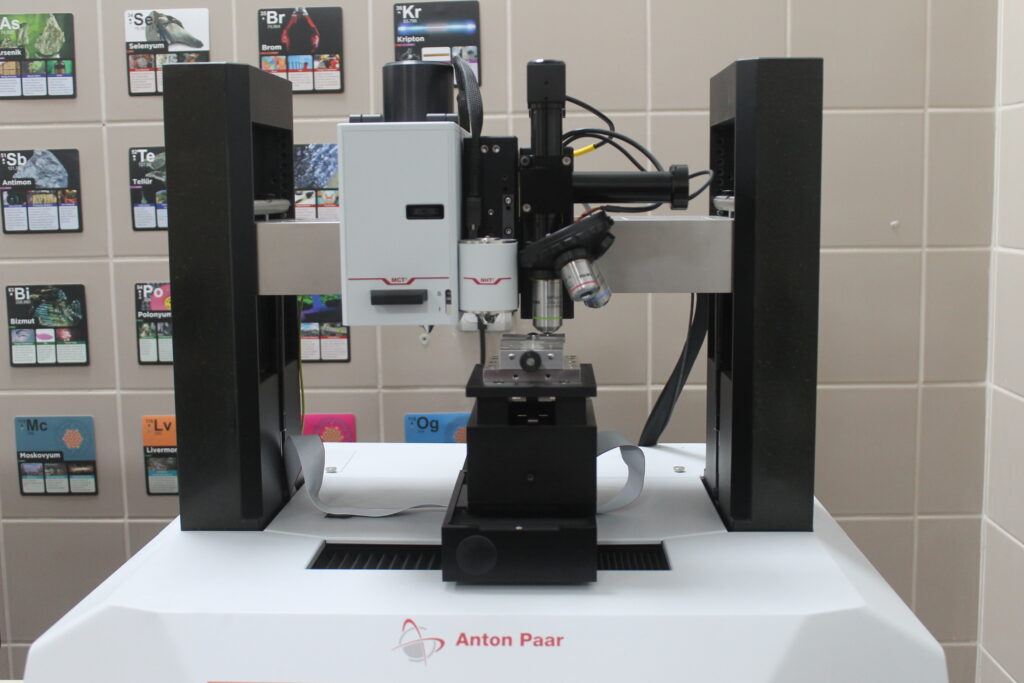
Brand: Anton Paar
The nanoindentation system is used to determine the mechanical properties of materials at the nano-scale through precise load–displacement measurements. By applying very small controlled forces and continuously monitoring penetration depth, the system enables accurate evaluation of hardness and elastic modulus at localized regions. It is particularly effective for characterizing thin films, coatings, and individual microstructural phases.
Applications / Notes
Nano-scale hardness measurement
Determination of elastic modulus
Load–displacement curve analysis
Characterization of thin films and coatings
Phase-specific mechanical property evaluation
High-resolution, localized mechanical testing


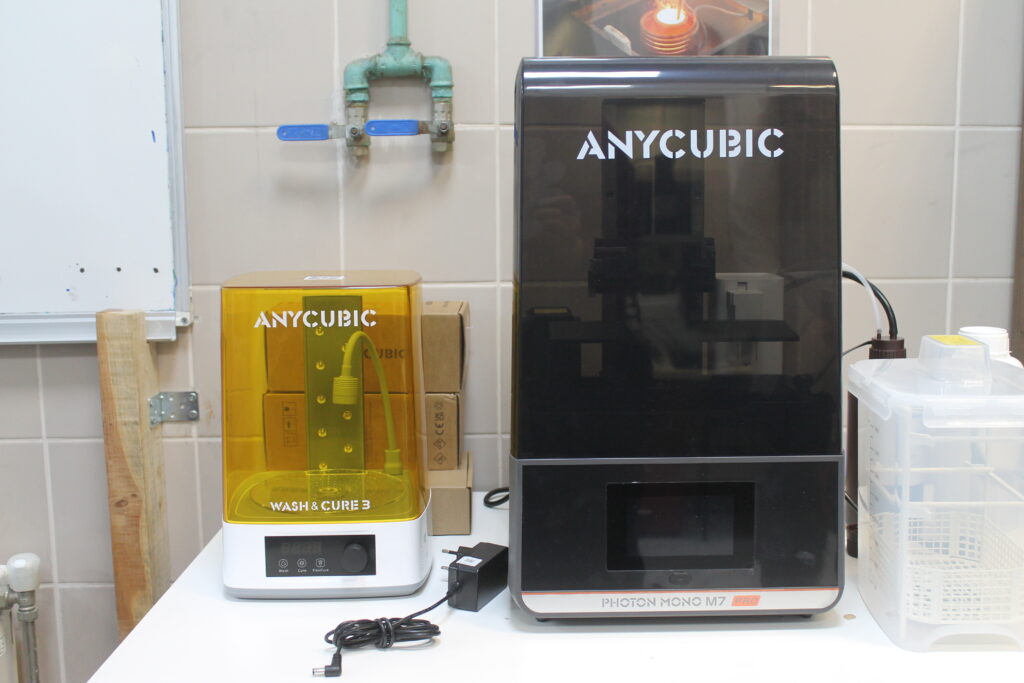
Resin 3D Printer
Brand / Model: Anycubic / Photon Mono M7 Pro
The resin 3D printer is an LCD-based photopolymerization system used for high-resolution fabrication of complex geometries. The system selectively cures liquid resin layer by layer using a controlled light source, enabling the production of detailed and precise components. It is particularly suitable for rapid prototyping, small-scale part production, and sample preparation for experimental studies.
Applications / Notes
High-resolution 3D printing of complex geometries
Rapid prototyping and design validation
Fabrication of molds and custom fixtures
Preparation of test samples and experimental components
Production of small-scale functional parts
Post-processing with washing and UV curing unit