
The Surface Treatment Laboratory focuses on techniques used to modify and improve the surface properties of engineering materials. The facility supports both research and practical applications involving coating processes, surface finishing, and mechanical or chemical treatments aimed at enhancing wear resistance, corrosion resistance, and overall material performance. It provides a controlled environment for experimental studies and process development. This page offers an overview of the laboratory’s capabilities, available equipment, and relevant contact information.
Facility Leadership

Coordinator
Oversees laboratory operations, coordinates surface treatment activities, and ensures safe and efficient use of equipment.

Laboratory Lead
Assist. Prof. Dr. Yasemin Yildiran Avcu
Leads experimental activities, supervises surface treatment processes, and ensures the quality and consistency of laboratory work.

Research Assistant
Assists in experimental procedures, supports surface treatment operations, and contributes to data collection and analysis.
Laboratory Areas
Equipment and Instrumentation
Shot Peening & Sandblasting Laboratory
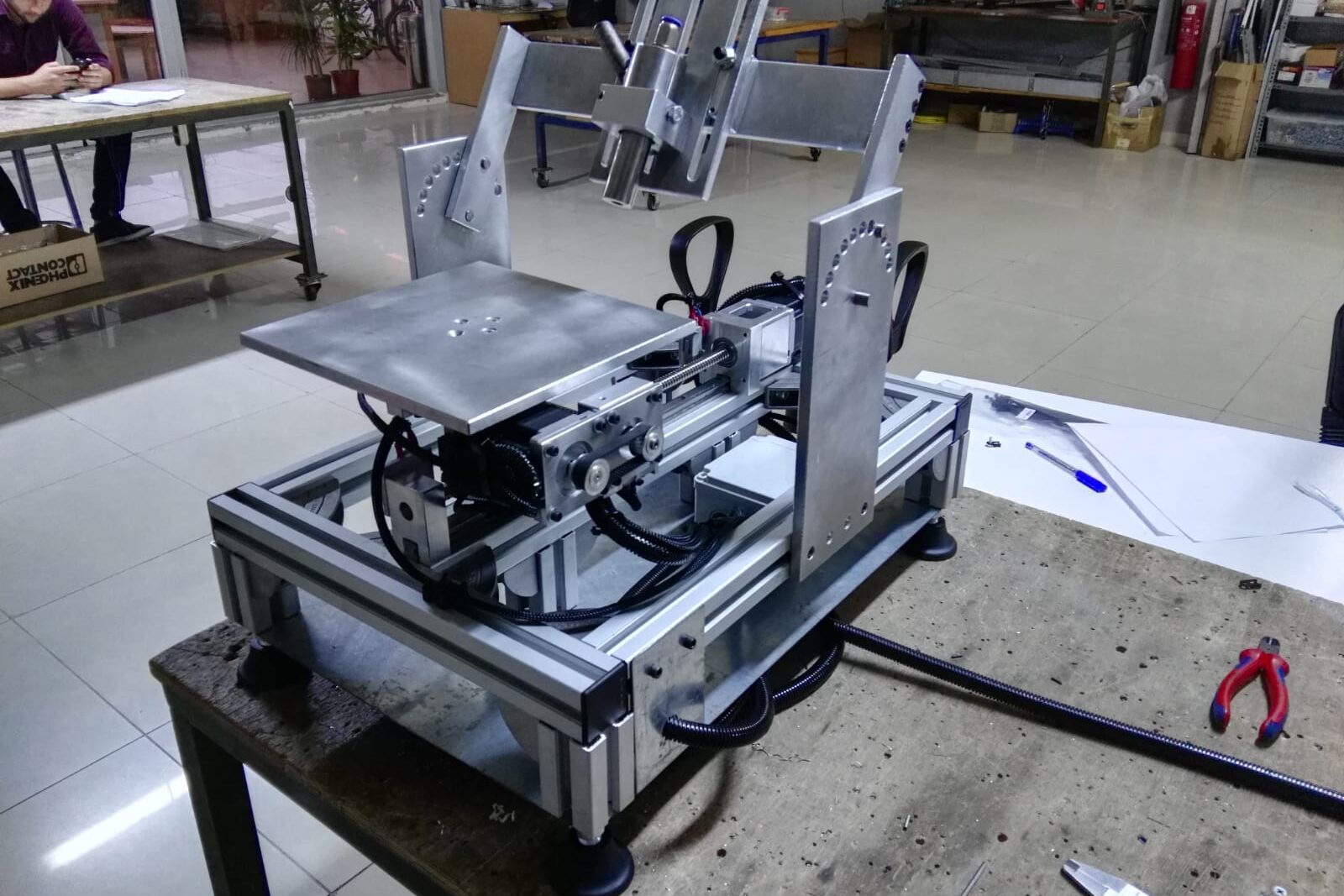
Shot Peening System / Core Equipment
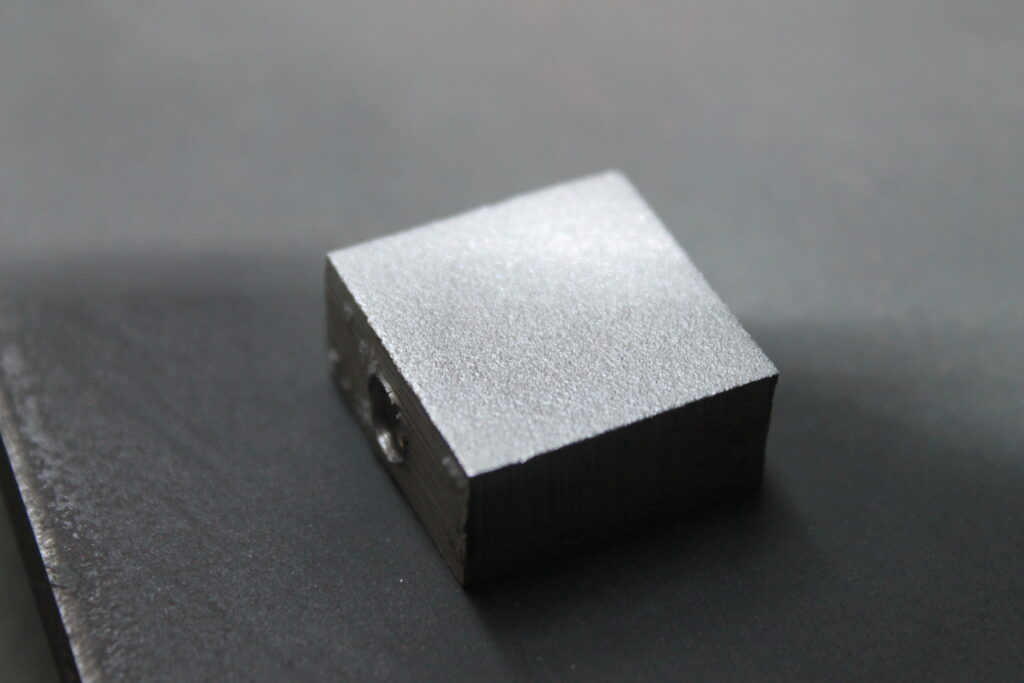
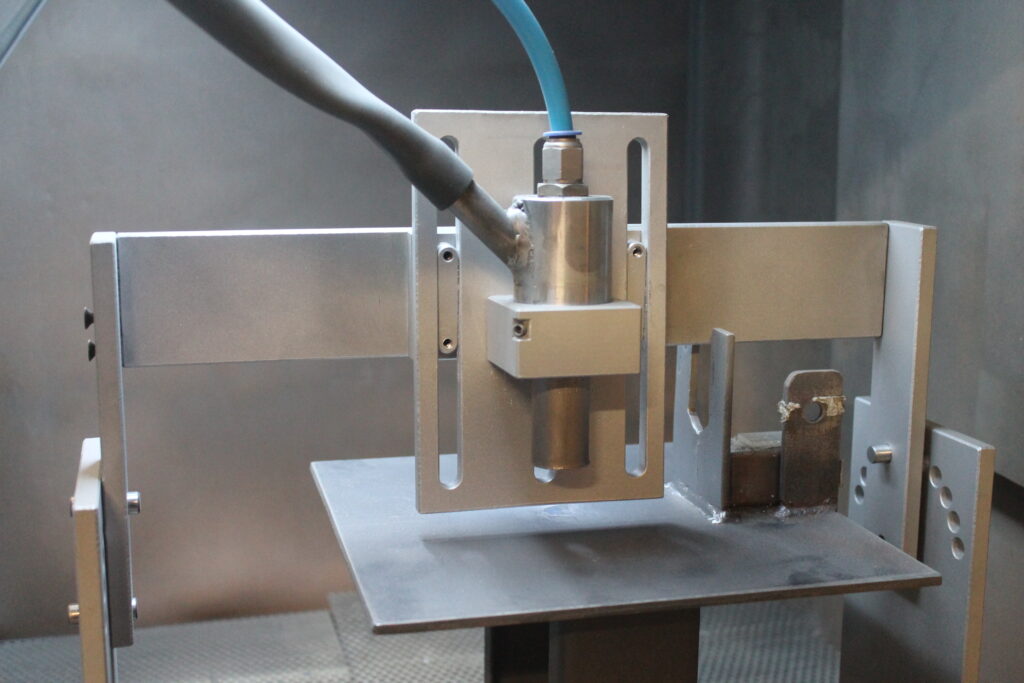
This system is designed to perform controlled shot peening processes, where small spherical media are blasted onto material surfaces to induce compressive residual stresses. The process enhances fatigue life, improves resistance to stress corrosion cracking, and increases surface durability. As a core piece of equipment in the facility, it enables precise surface treatment under controlled pressure, media flow, and exposure conditions, making it essential for both research and industrial simulation studies.
Applications / Notes
Improvement of fatigue strength in aerospace and mechanical components
Surface hardening and enhancement of wear resistance
Preparation of surfaces for coatings and bonding processes
Experimental studies on residual stress distribution and surface integrity

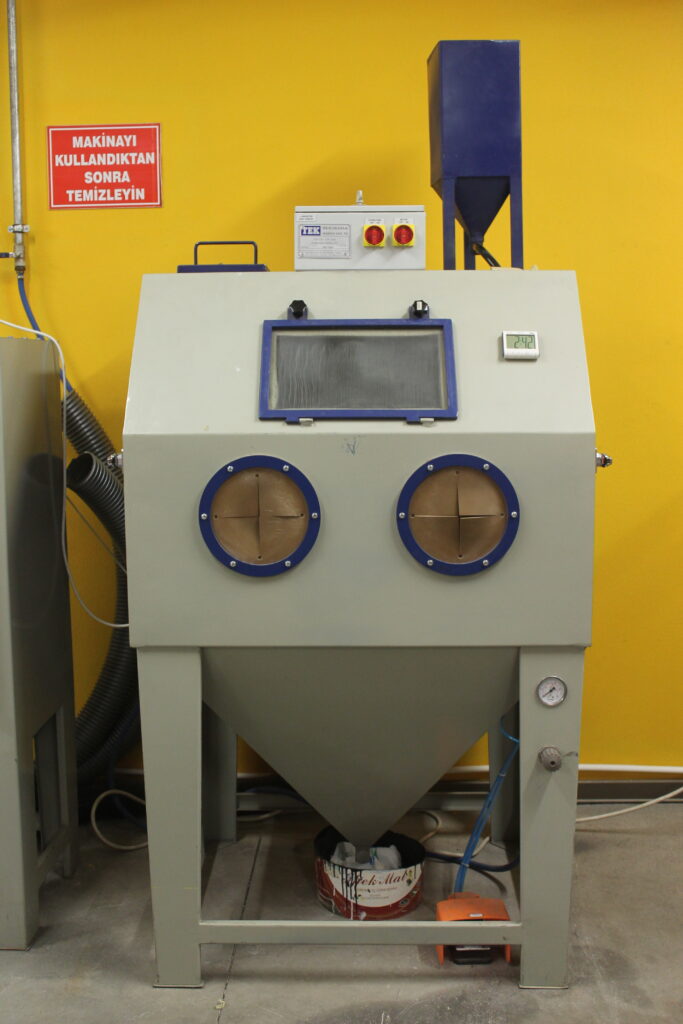
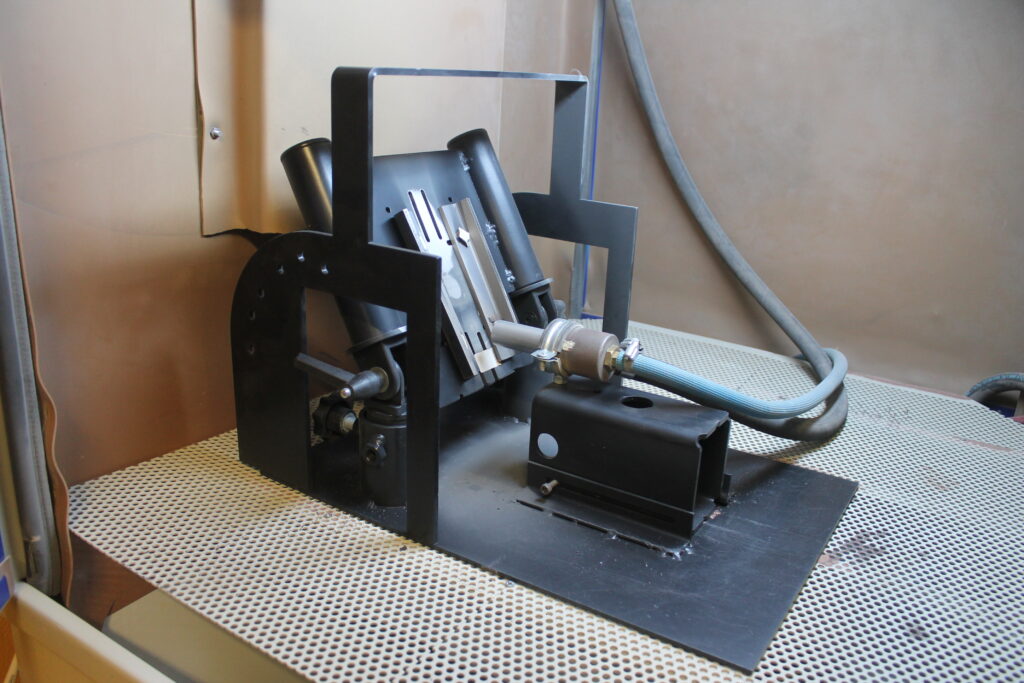
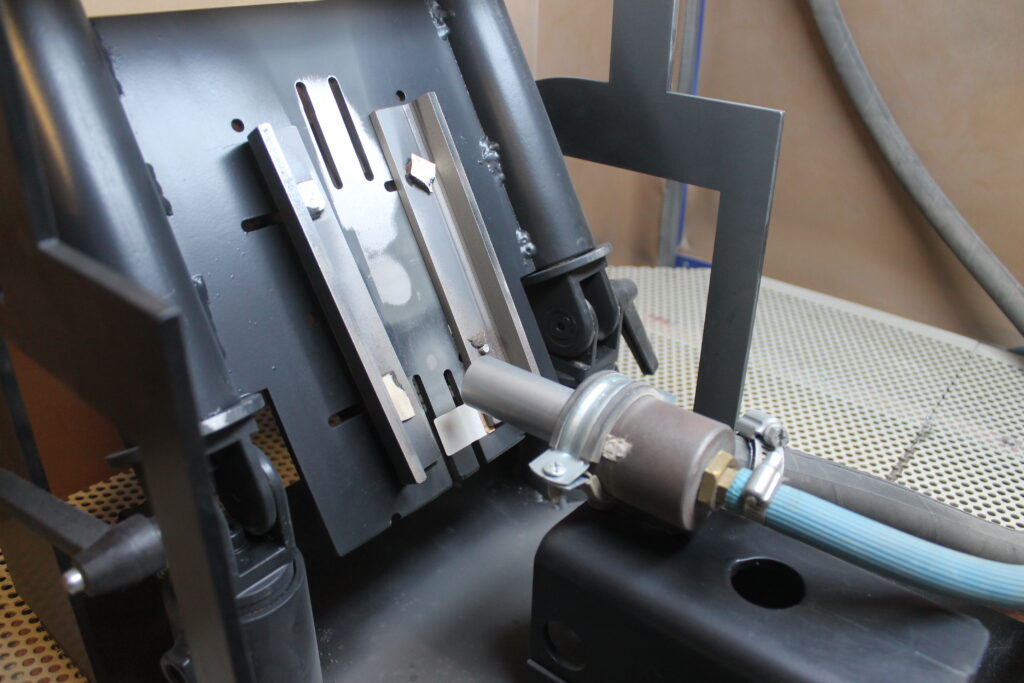
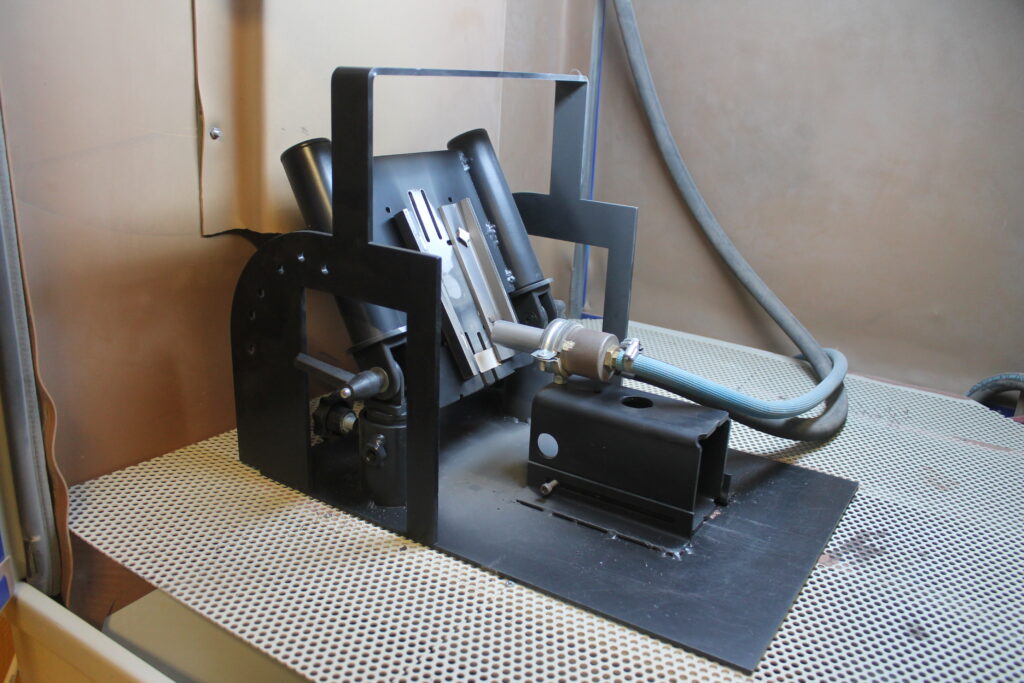
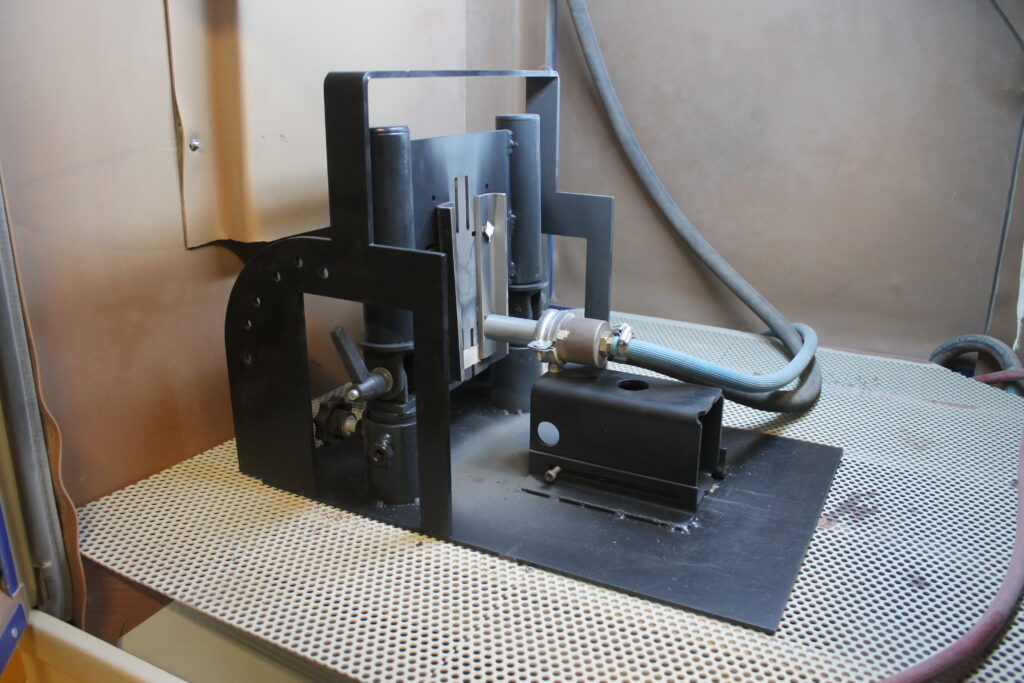
Sandblasting or Surface Preparation Unit
This unit is designed for abrasive blasting and surface preparation processes, where high-velocity abrasive media are directed onto material surfaces to remove contaminants and modify surface texture. It enables precise cleaning and controlled roughening, which are critical for ensuring strong adhesion in subsequent coating, painting, or surface engineering applications. As a core facility equipment, it plays a key role in both pre-treatment operations and experimental surface modification studies.
Applications / Notes
Removal of rust, oxide layers, paint, and surface contaminants
Surface roughening to improve coating and bonding performance
Deburring and finishing of machined or manufactured parts
Preparation of specimens for metallurgical and surface characterization analyses
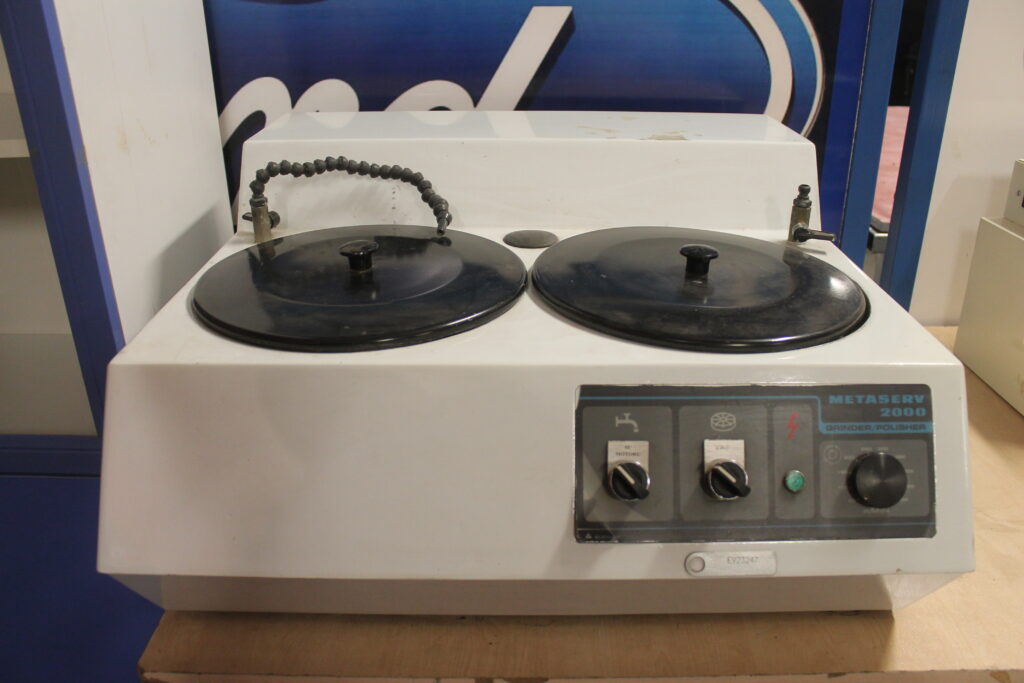
Metallographic Grinding and Polishing Machine
Brand / Model: Metaserv / 2000 Grinder
The metallographic grinding and polishing machine is used for surface preparation of material samples prior to microstructural analysis. The system enables sequential grinding and polishing using different abrasive media to obtain a smooth, scratch-free surface suitable for optical microscopy, SEM, and hardness testing. Proper sample preparation is essential for accurate microstructural characterization and reliable test results.
Applications / Notes
Metallographic sample preparation through grinding and polishing
Removal of surface damage to achieve smooth, mirror-like surfaces for accurate characterization
Preparation for optical microscopy, SEM, and surface analysis
Pre-processing for microhardness and nanoindentation testing
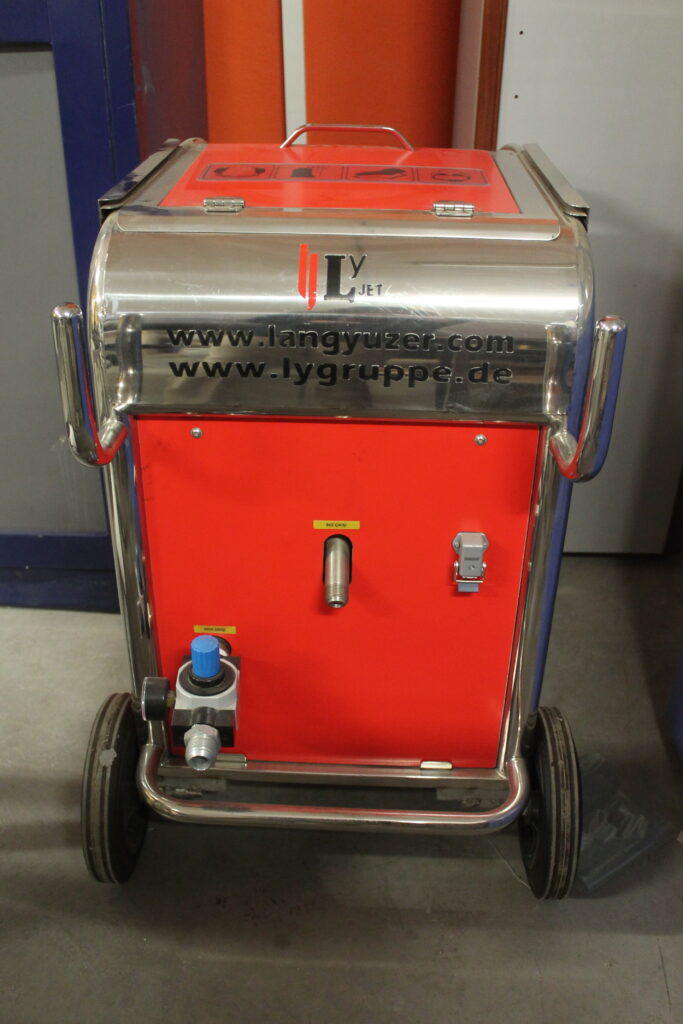
Dry Ice Blasting System
Brand / Model: LY Jet
The dry ice blasting system is used for non-abrasive surface cleaning and preparation by projecting CO₂ pellets at high velocity. The process removes contaminants without damaging the substrate and leaves no secondary waste, making it ideal for sensitive and precision applications.
Applications / Notes
Non-abrasive surface cleaning without altering surface integrity
Removal of oils, contaminants, and oxide layers
Surface preparation prior to coating, bonding, and testing
Precision cleaning of components, molds, and toolin
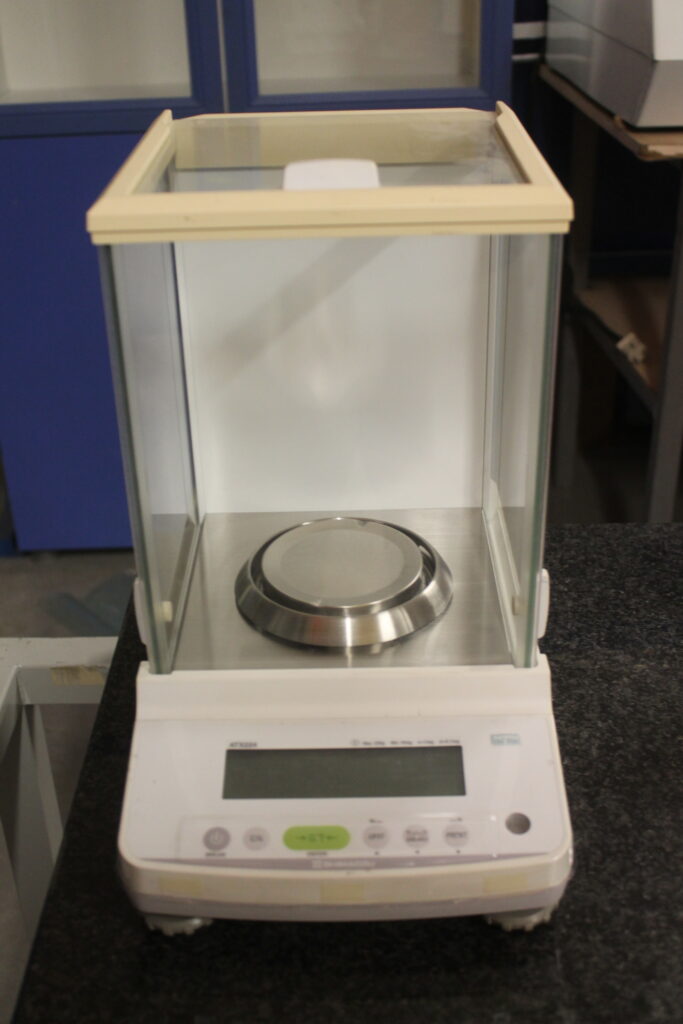
Analytical Balance
Brand / Model: Metaserv / 2000 Grinder
The analytical balance is used for precise mass measurement of materials with high accuracy and repeatability. The enclosed design minimizes environmental effects such as air currents and vibrations, ensuring reliable measurements. It is essential for preparing accurate material compositions, especially in powder metallurgy and experimental studies.
Applications / Notes
High-precision mass measurement of powders and small samples
Preparation of accurate material compositions and mixtures
Support for powder metallurgy and experimental studies
Quality control and repeatable laboratory measurements
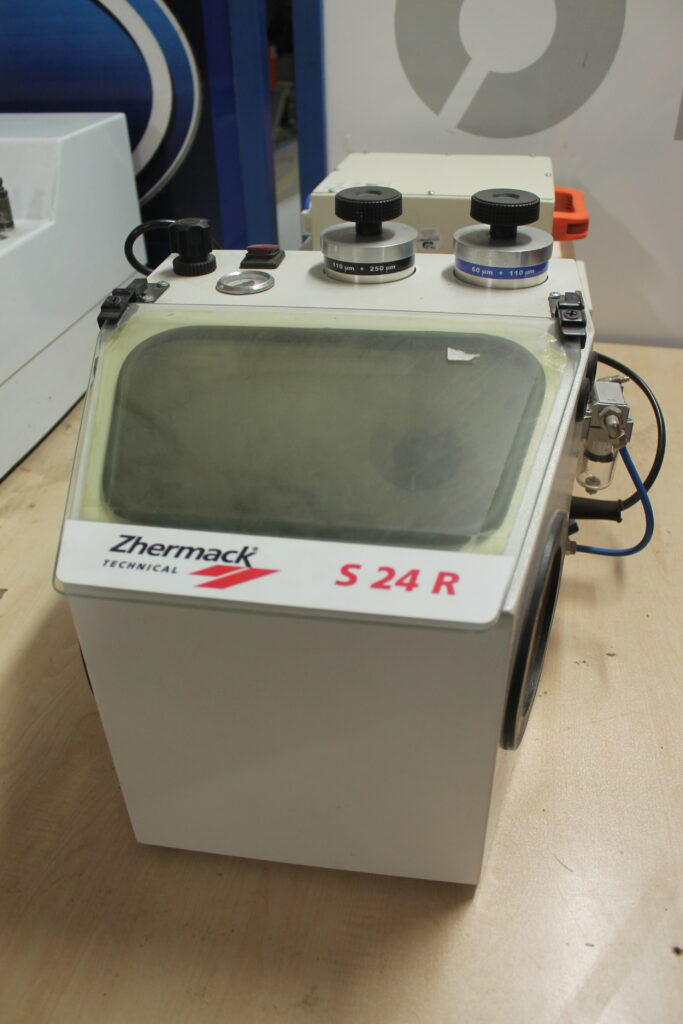
Micro Sandblasting System
Brand / Model: Zhermack / S24R
The micro sandblasting system is used for controlled surface treatment using fine abrasive particles. It enables precise surface roughening, cleaning, and modification at micro-scale. The system is particularly suitable for biomedical applications, where controlled surface topography is critical for enhancing adhesion and biocompatibility.
Applications / Notes
Micro-scale surface roughening for improved adhesion and coating performance
Surface preparation of biomedical implants and dental materials
Removal of contaminants and oxide layers with controlled abrasion
Enhancement of surface properties for bonding and osseointegration
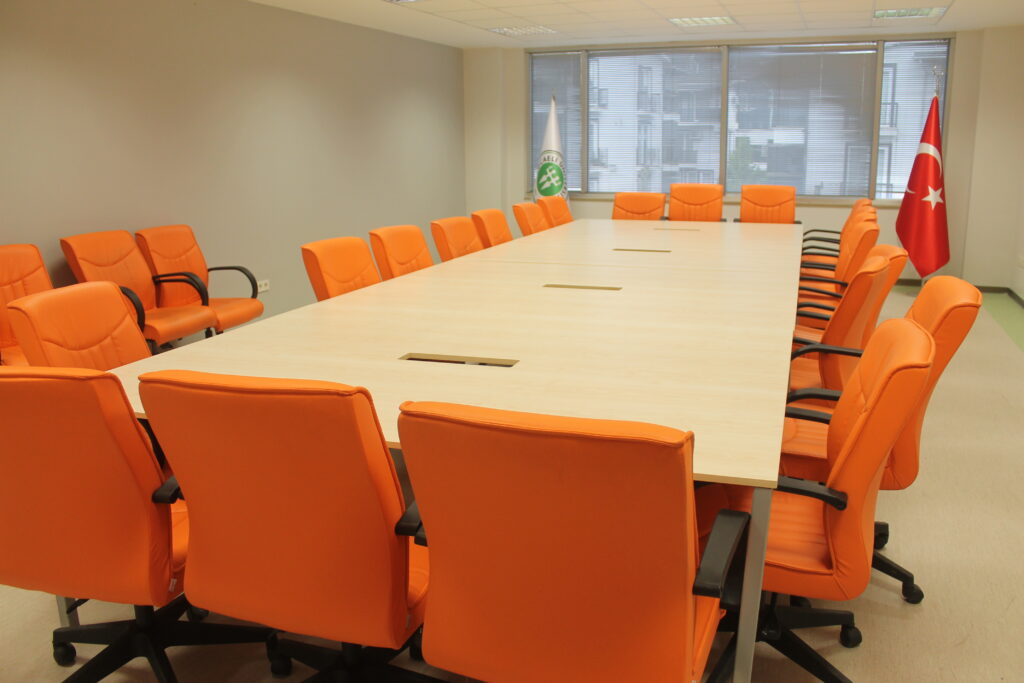
Surface Treatment R&D Office and Meeting Places
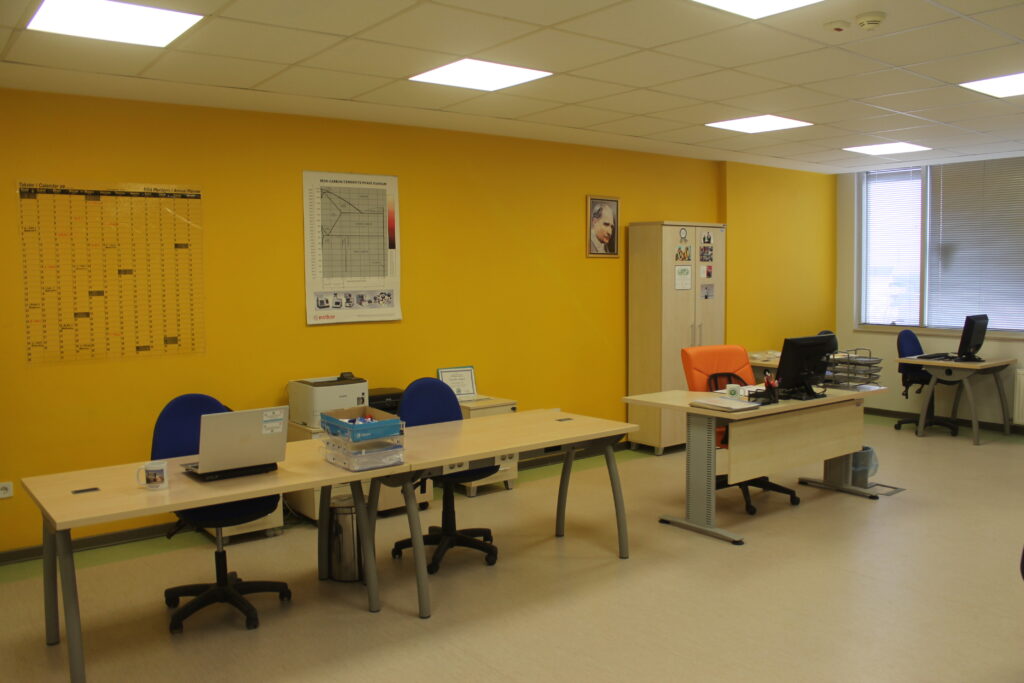
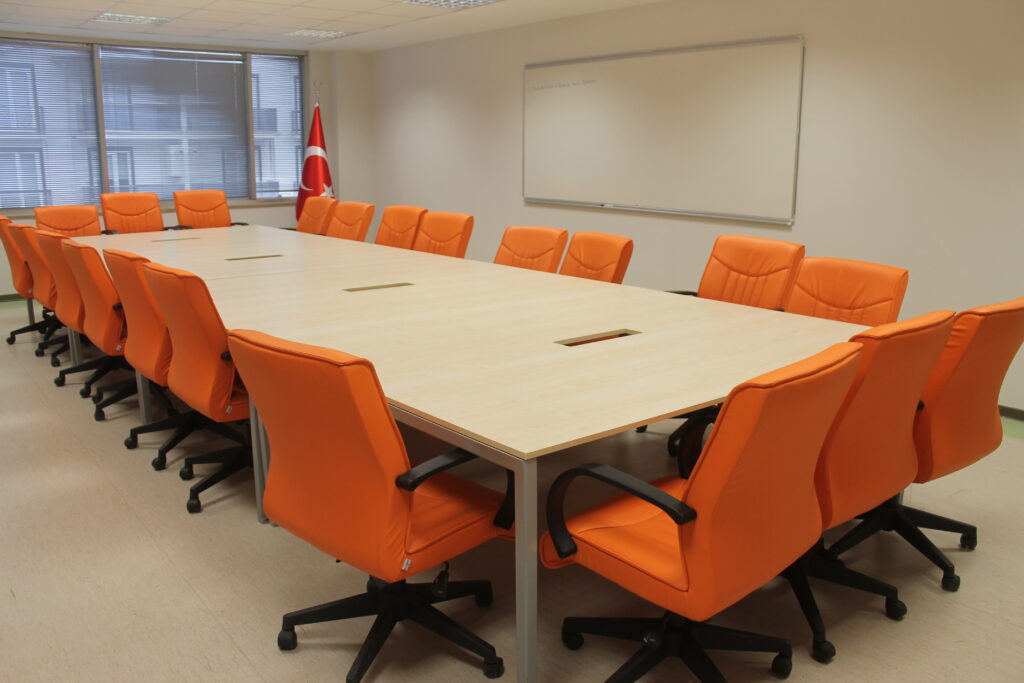
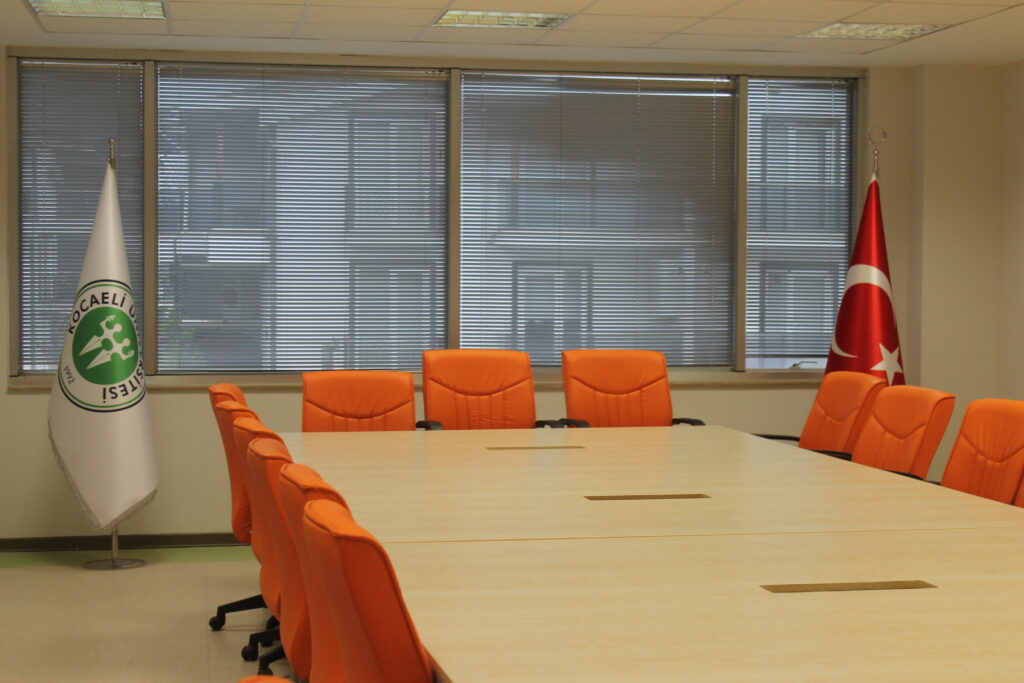
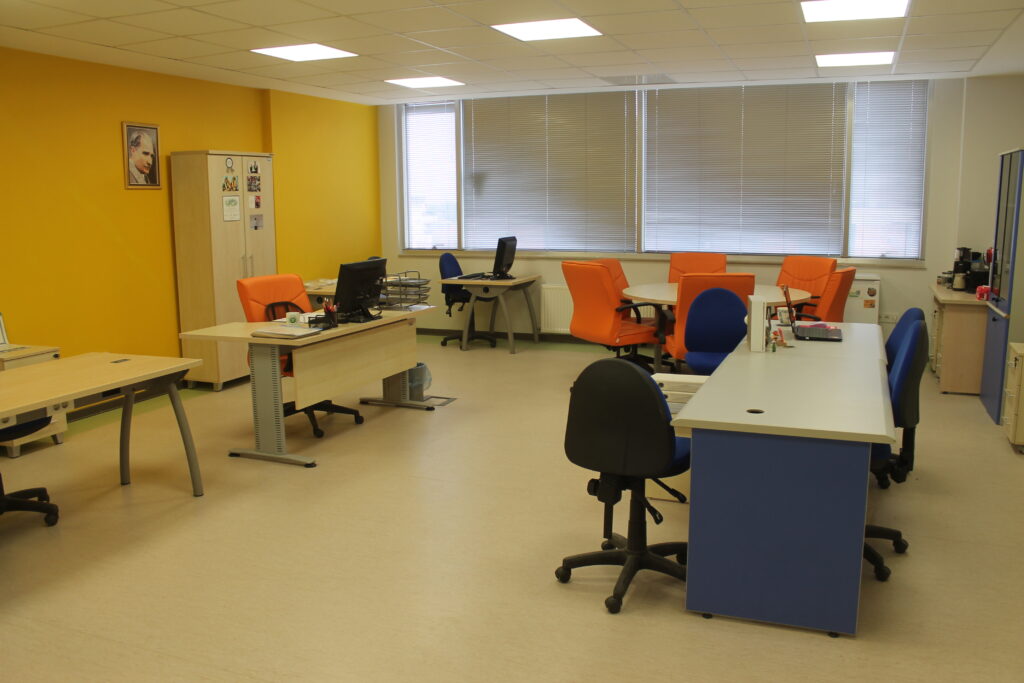
The Surface Treatment R&D Office serves as the central workspace for research planning, data analysis, and project coordination related to surface engineering activities. This office supports the interpretation of experimental results obtained from laboratory processes such as coating, shot peening, and surface preparation. It provides an environment for academic research, technical reporting, and collaborative development, bridging practical laboratory work with scientific evaluation and innovation. Acts as the decision-making and knowledge integration hub of the laboratory.
Applications / Notes
Analysis and interpretation of experimental data from surface treatment processes
Preparation of academic publications, reports, and project documentation
Planning and coordination of research and development activities
Collaborative workspace for researchers, engineers, and students